Multilingual Ai: Digital India BHASHINI and NIELIT Partner for
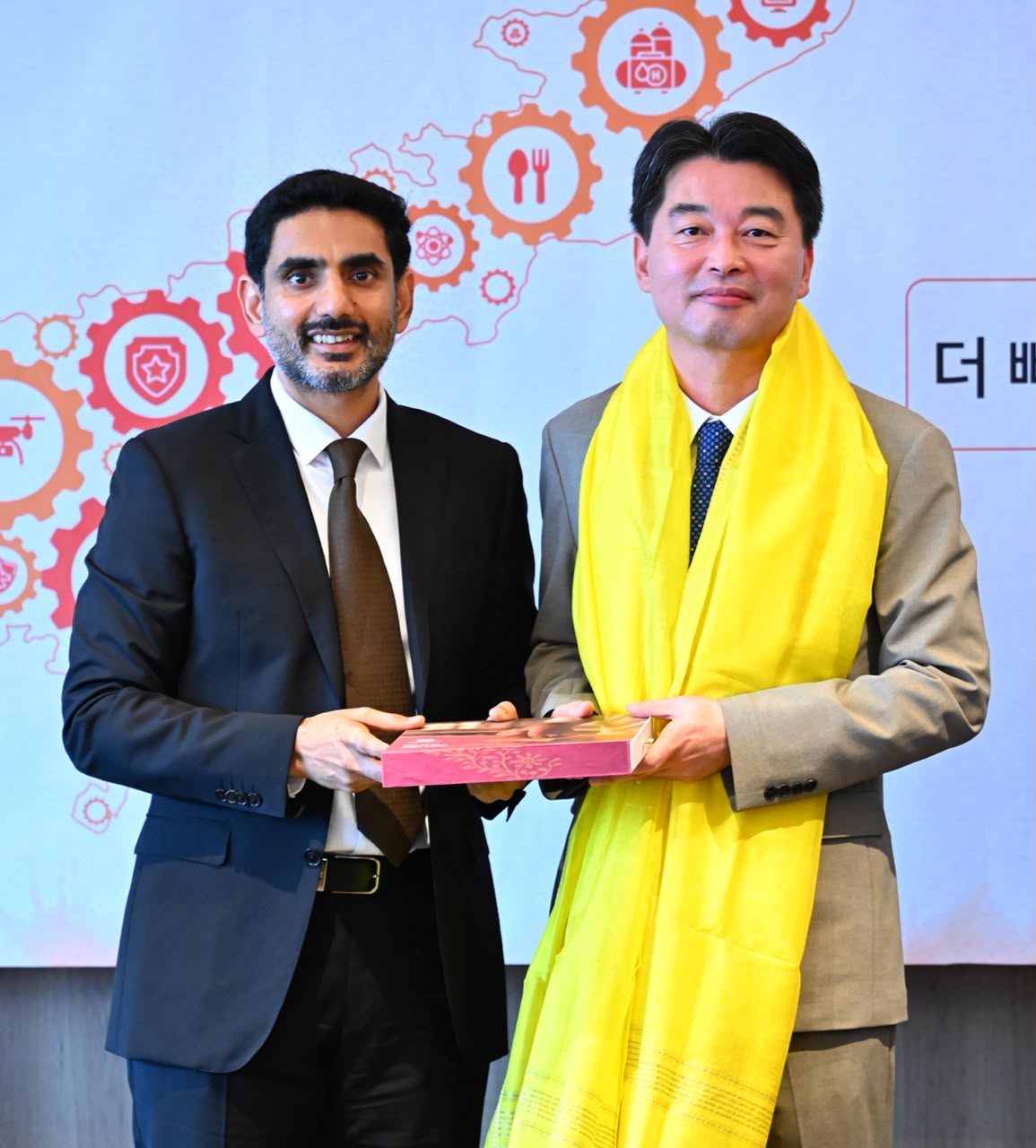
In a major step toward bridging the digital divide across the nation, the Digital India BHASHINI Division and the National Institute of Electronics and Information Technology have officially exchanged a formal memorandum of understanding. This strategic partnership aims to advance language translation technology, technology education, and digital capacity building across various sectors. By combining forces, the collaborating entities seek to empower citizens by making digital infrastructure and governance tools accessible in numerous regional languages, thereby fostering a more inclusive technological ecosystem for all users.
Multilingual Ai Digital India BHASHINI
Building upon previous regional language initiatives, the alliance focuses heavily on promoting advanced translation solutions and voice-first technologies within technical education frameworks. Recent efforts by similar government bodies have increasingly emphasized local language digital governance, ensuring that public services and educational resources are not restricted by language barriers. Through this latest cooperation, students and professionals will gain better access to cutting-edge technical curricula and digital tools designed to function seamlessly in their native tongues, paving the way for widespread digital literacy.
The broader initiative aligns with ongoing national efforts to harness artificial intelligence for inclusive governance and educational advancement. As digital services expand rapidly into rural and semi-urban areas, overcoming linguistic hurdles remains a critical priority for policymakers and technology developers alike. Collaborative programs involving national innovation agencies consistently highlight the importance of localized technology solutions in driving economic participation and ensuring that the benefits of the digital revolution reach every corner of the country.
Students in southern states will likely benefit from enhanced technical education platforms and digital capacity-building programs tailored to local linguistic needs. Furthermore, localized digital governance tools will make interacting with public administration significantly easier for millions of citizens who prefer communicating in their regional languages, ultimately boosting regional digital adoption and workforce readiness. Observers and stakeholders will be closely monitoring the rollout of joint educational programs and technology integrations resulting from this collaboration. Future updates are expected to outline specific implementation timelines, curriculum updates, and regional rollout strategies for the newly introduced language tools. As these initiatives take shape, the focus will remain on measuring their effectiveness in classrooms and public service delivery systems, ensuring sustainable growth and continuous improvement in national digital infrastructure.
Prashanth is the editor of PakkaFilmy. He covers Telangana and Andhra Pradesh politics, Telugu and Indian cinema, sports, technology and useful public-interest news in clear, simple English. Every story is checked against available official information before publishing, as set out in our Editorial Policy. Follow PakkaFilmy on X: https://x.com/pakkafilmy007 | Telegram: https://t.me/pakkafilmytelugu | Instagram: https://instagram.com/pakkafilmy_