
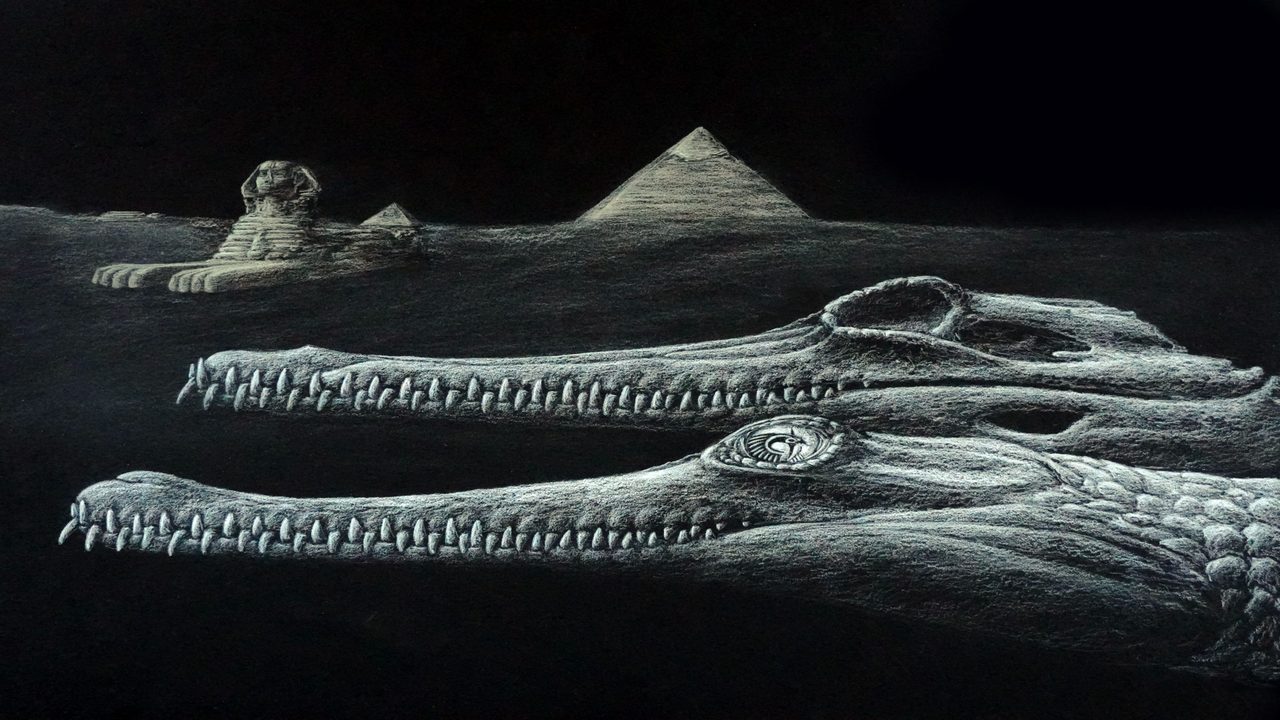
Researchers studying the ancient monuments of Giza have made a fascinating paleontological discovery hidden within the very stones used to construct one of Egypt’s most famous historical landmarks. The landmark study focuses on fossils originally discovered a century ago in the quarried limestone blocks that form the iconic monolithic sculpture guarding the Giza Plateau. Scientists have now formally identified these remains as belonging to a previously unknown species of ancient crocodilian that shares striking anatomical similarities with modern reptiles found in the Indian subcontinent.
News Update Latest News Update
The newly classified creature resembles the modern Indian gharial, known for its distinctively long and narrow snout designed for catching fish in riverine habitats. Analysis of the fossilized skull fragments embedded within the monument’s building materials revealed unique characteristics that separate this extinct predator from previously cataloged prehistoric species. Paleontologists working on the classification used historical collection records and modern imaging techniques to examine the ancient bone structure preserved within the dense limestone matrix of the massive tourist attraction.
This remarkable finding bridges a significant gap in our understanding of prehistoric African ecosystems and how ancient animal populations evolved over millions of years before human civilization began shaping the landscape. The limestone blocks utilized by ancient builders were quarried from local geological formations that preserve a rich record of marine and freshwater life from a time when the desert landscape was a lush, water-rich environment. Historians and geologists have long studied the provenance of the stone blocks, but biological discoveries embedded within the masonry offer an entirely new dimension of archaeological research.
Also Read:
- Chef Damodaran: Padma Shri star dies at 72.. what legacy remains?
- Wault Platform: linking brands to sports hubs in two southern states..?
- Prakriti Malla: Fourteen‑year‑old’s homework looks printed.. why?
For nature enthusiasts and science lovers across India, this unexpected biological link between North African prehistory and modern South Asian wildlife provides an intriguing point of connection. The structural resemblance between the ancient Egyptian predator and the critically endangered gharial highlights ancient geographic distributions of crocodilian species across the ancient world. Researchers plan to continue analyzing the geological strata of the Giza quarries and surrounding formations to uncover more clues about the prehistoric predators that once roamed the Nile Valley. Future studies will likely focus on comparing the newly named species with other fossil records across Africa and Asia to better understand the migration and evolution of ancient reptiles. As scientists apply advanced analytical methods to museum collections and historical excavation sites, further revelations regarding the hidden life preserved within famous ancient monuments are expected to emerge.