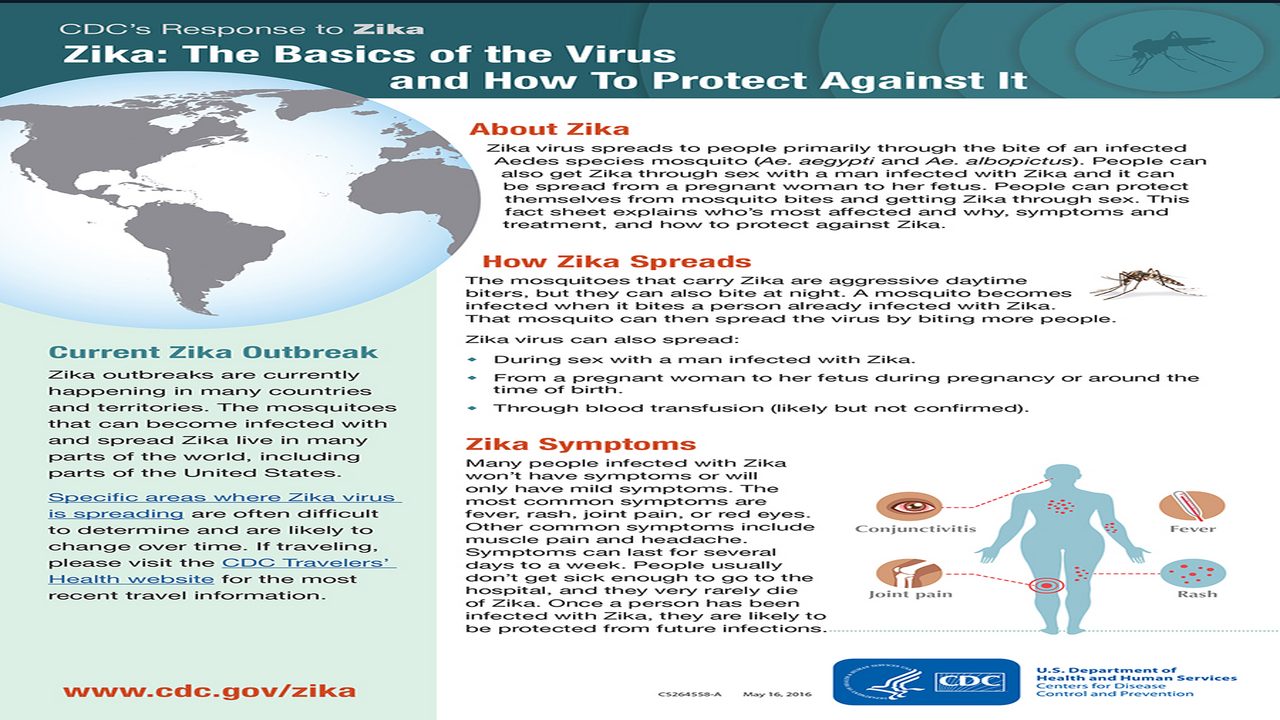
Health specialists across the country are closely monitoring a growing public health concern involving an infectious pathogen typically spread by daytime-biting mosquitoes. While India has long dealt with seasonal outbreaks of vector-borne illnesses, recent medical discussions have shifted toward the unique ways this specific pathogen can affect the human body. Unlike other common tropical conditions, medical researchers have highlighted distinct pathways of transmission that extend beyond insect bites, drawing significant attention from andrologists and infectious disease experts alike.
Recent clinical observations indicate that the mosquito-borne illness can persist in male reproductive tissues long after initial recovery. This biological characteristic has raised critical questions regarding intimate health and family planning, prompting health agencies to issue updated guidance. Specialists emphasize that public awareness must extend beyond traditional prevention methods, such as using mosquito repellents and eliminating stagnant water around residential areas, to include safe health practices for couples.
The comparison to dengue fever often arises because both conditions share overlapping geographical vectors and early clinical signs, including mild fever, rashes, and joint pain. However, medical professionals point out that the long-term implications for male reproductive health set this pathogen apart. Ongoing studies are examining how the virus interacts with human cellular structures, particularly within the male genitourinary tract, leading to intensified research efforts among fertility specialists who aim to fully understand the scope of potential complications.
Public health organizations continue to stress the importance of proactive measures, especially for individuals residing in regions with reported disease activity or those planning international travel to affected zones. Healthcare providers recommend that anyone experiencing unexplained symptoms after potential exposure should seek professional medical evaluation promptly. As researchers work toward developing effective vaccines and rapid diagnostic tools, community education remains a vital tool in mitigating the spread and long-term impact of this condition.

Prashanth is the editor of PakkaFilmy. He covers Telangana and Andhra Pradesh politics, Telugu and Indian cinema, sports, technology and useful public-interest news in clear, simple English. Every story is checked against available official information before publishing, as set out in our Editorial Policy. Follow PakkaFilmy on X: https://x.com/pakkafilmy007 | Telegram: https://t.me/pakkafilmytelugu | Instagram: https://instagram.com/pakkafilmy_
Related Posts