Apple Watch: Betting on Advanced Heart-Health Features to Win Buyers
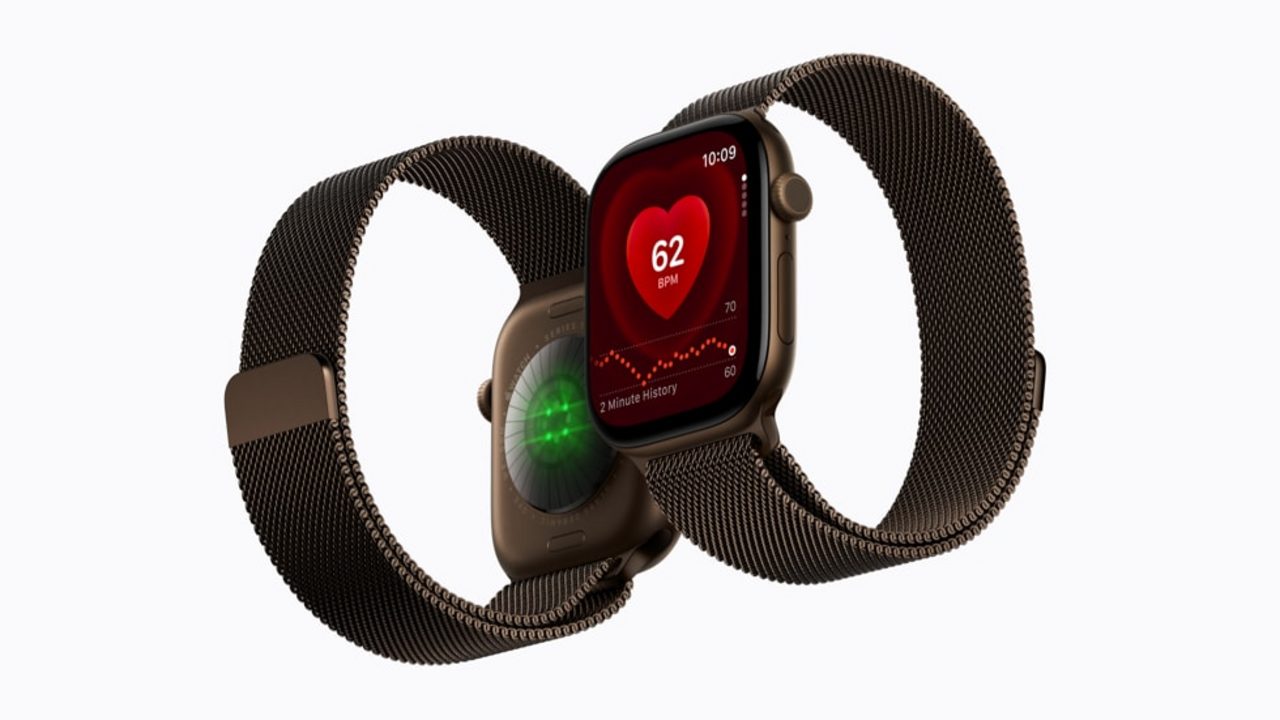
Technology giant Apple continues to shape its wearable device strategy around advanced wellness capabilities, positioning its popular timepiece as a crucial medical companion for everyday users. Recent industry reports highlight how the Cupertino-based company is increasingly relying on sophisticated physiological monitoring tools to attract consumers in a competitive market. Rather than focusing solely on traditional fitness tracking metrics like step counts and workout routines, the company has heavily invested in clinical-grade sensors designed to detect potential health anomalies before they become critical issues.
Among the most prominent wellness innovations driving hardware adoption are electrocardiogram capabilities and irregular rhythm notifications, which have successfully identified undiagnosed conditions for numerous wearers worldwide. These life-saving features have transformed the device from a mere notification extension for smartphones into a serious preventative care instrument endorsed by cardiologists and medical professionals alike. Furthermore, continuous heart rate monitoring and blood oxygen saturation sensors provide users with a comprehensive overview of their daily physical state, encouraging proactive management of personal well-being.
Market analysts observe that this strategic shift toward preventative medicine resonates strongly with aging populations and health-conscious demographics who prioritize longevity and early detection. By embedding sophisticated diagnostic capabilities directly onto the wrist, the technology leader creates a compelling value proposition that extends far beyond standard consumer electronics. Competitors in the wearable space are now racing to introduce similar physiological tracking tools to keep pace with consumer demand for devices that offer tangible medical benefits.
Looking ahead, industry experts anticipate that future iterations of these popular smart devices will incorporate even more advanced non-invasive diagnostic sensors, potentially including blood pressure monitoring and non-invasive glucose tracking. As regulatory approvals for these complex health features become more streamlined, the device is expected to integrate even deeper into the global healthcare ecosystem. Ultimately, this sustained focus on clinical utility ensures that preventative wellness remains the primary engine driving future hardware sales and consumer loyalty.