HPV vaccination myths debunked: Separating medical facts from common misconceptions
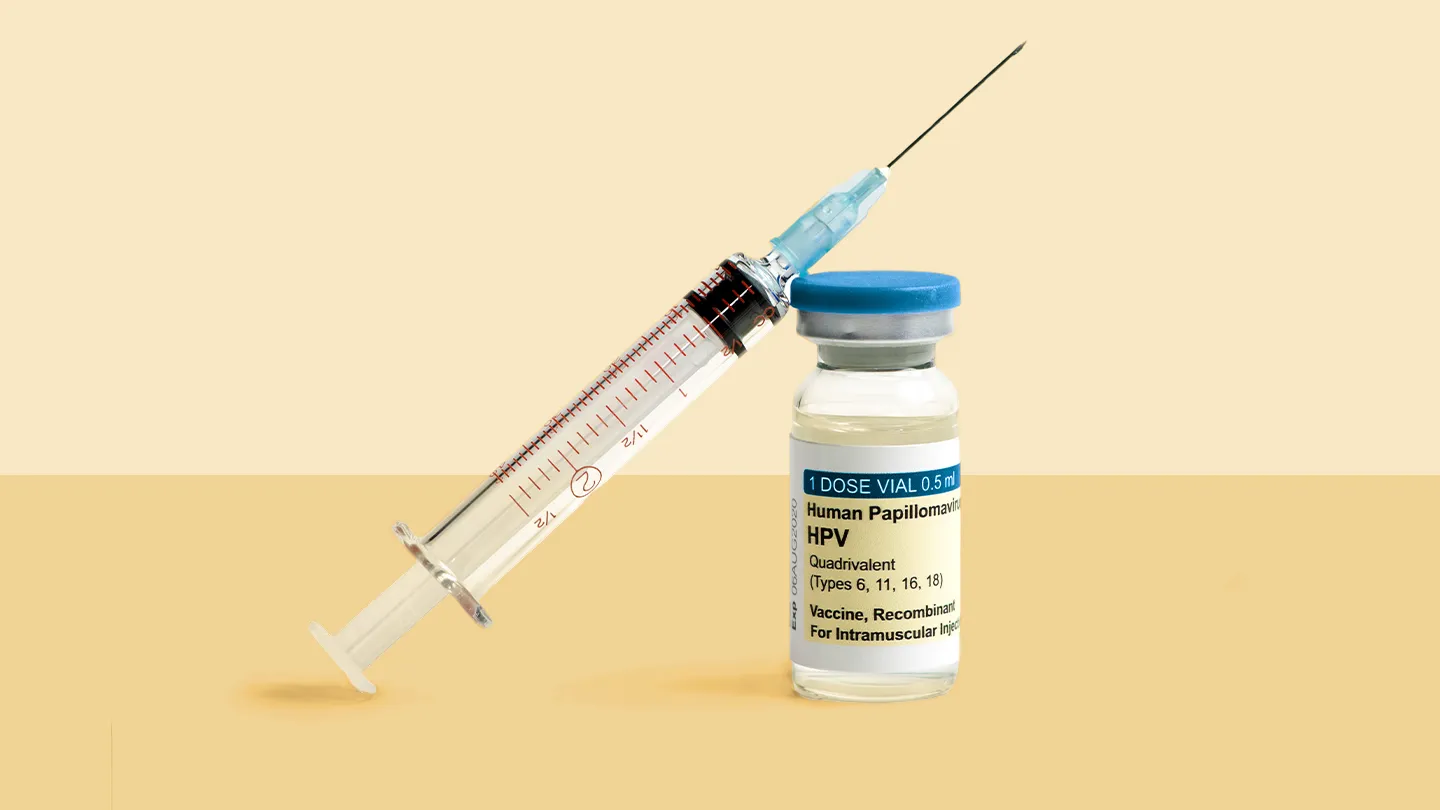
As public health initiatives continue to expand globally, overcoming persistent misunderstandings surrounding the HPV vaccination remains a critical priority for medical professionals and community leaders alike. Misinformation often creates unnecessary hesitation among parents and adolescents, overshadowing the proven safety and efficacy of the immunization in preventing severe human papillomavirus-related conditions. Addressing these concerns directly with verified scientific data is essential for improving public health outcomes and ensuring higher uptake rates across vulnerable demographics.
The broader conversation around immunization safety comes at a time when nations are reporting significant milestones in disease prevention. Recent public health data indicates that India has administered over 80 million doses since February, marking a major leap forward in the ongoing fight against cervical cancer. Government health ministries and international alliances have continually stressed the importance of these campaigns, launching targeted outreach programs from local clinics in rural districts to widespread national drives designed to protect adolescent girls from preventable oncogenic strains.
Despite these encouraging vaccination milestones, numerous myths continue to circulate online and through word-of-mouth, often questioning the safety, necessity, or appropriate age for receiving the shots. Medical experts consistently clarify that the vaccine is thoroughly tested, highly effective when administered prior to initial exposure, and critical for long-term cancer prevention for both young women and men. Educational initiatives are actively working to dismantle the stigma associated with the immunization, emphasizing that it serves as a standard preventative healthcare measure rather than a controversial mandate.
Looking ahead, health authorities plan to intensify awareness campaigns and collaborate closely with community leaders to build lasting trust in immunization programs. By partnering with schools, local health workers, and advocacy groups, public health agencies aim to demystify the science and provide transparent answers to common parental concerns. Sustained educational efforts, coupled with improved accessibility at regional healthcare centers, will be vital in ensuring that future generations remain fully protected against preventable HPV-related malignancies.