
Image: Indrajit Das (Wikimedia Commons, CC BY 4.0)
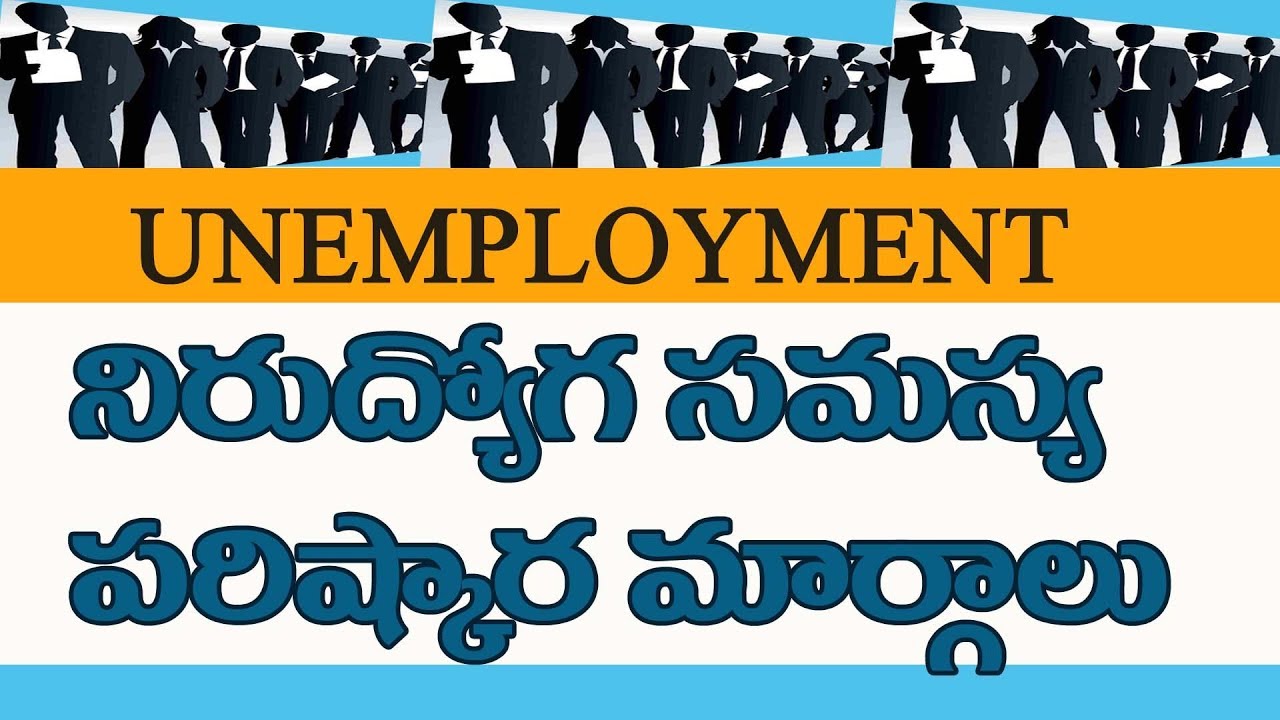
Andhra Pradesh and Telangana are seeing more people enter the labour market than the national average, yet both Telugu states continue to report higher unemployment than the rest of India, a paradox that justifies a closer look at what is happening once job-seekers actually reach the workforce.
According to Periodic Labour Force Survey data cited in recent Labour Market Survey figures, the national Labour Force Participation Rate stands at 59.3%, while Andhra Pradesh comes in higher at 60.9% and Telangana higher still at 61.4%. In other words, both states are doing comparatively well at drawing people, including women and first-time job-seekers, into the active labour force to begin with.
The trouble shows up on the other side of the equation. National unemployment sits at 3.1%, but Andhra Pradesh records 4.2% and Telangana 5.0%, meaningfully above the country-wide figure. Worker Population Ratios in both states, at 58.3% each, also trail their high participation rates, pointing to a gap between people willing to work and people actually finding work. The mismatch is sharper among the young: youth unemployment among 15-to-29-year-olds runs at 26.6% in Andhra Pradesh and 26.2% in Telangana, both above the roughly 25% national youth figure, suggesting the strain is concentrated among first-time job entrants rather than the workforce as a whole.
Economists tracking the data point to insufficient job creation relative to labour supply, skills mismatches and uneven employment matching as likely explanations rather than any reluctance to work. With both states continuing to post strong participation numbers, the real policy challenge going forward is converting that willing labour supply into actual jobs, particularly for the young graduates entering the market each year.