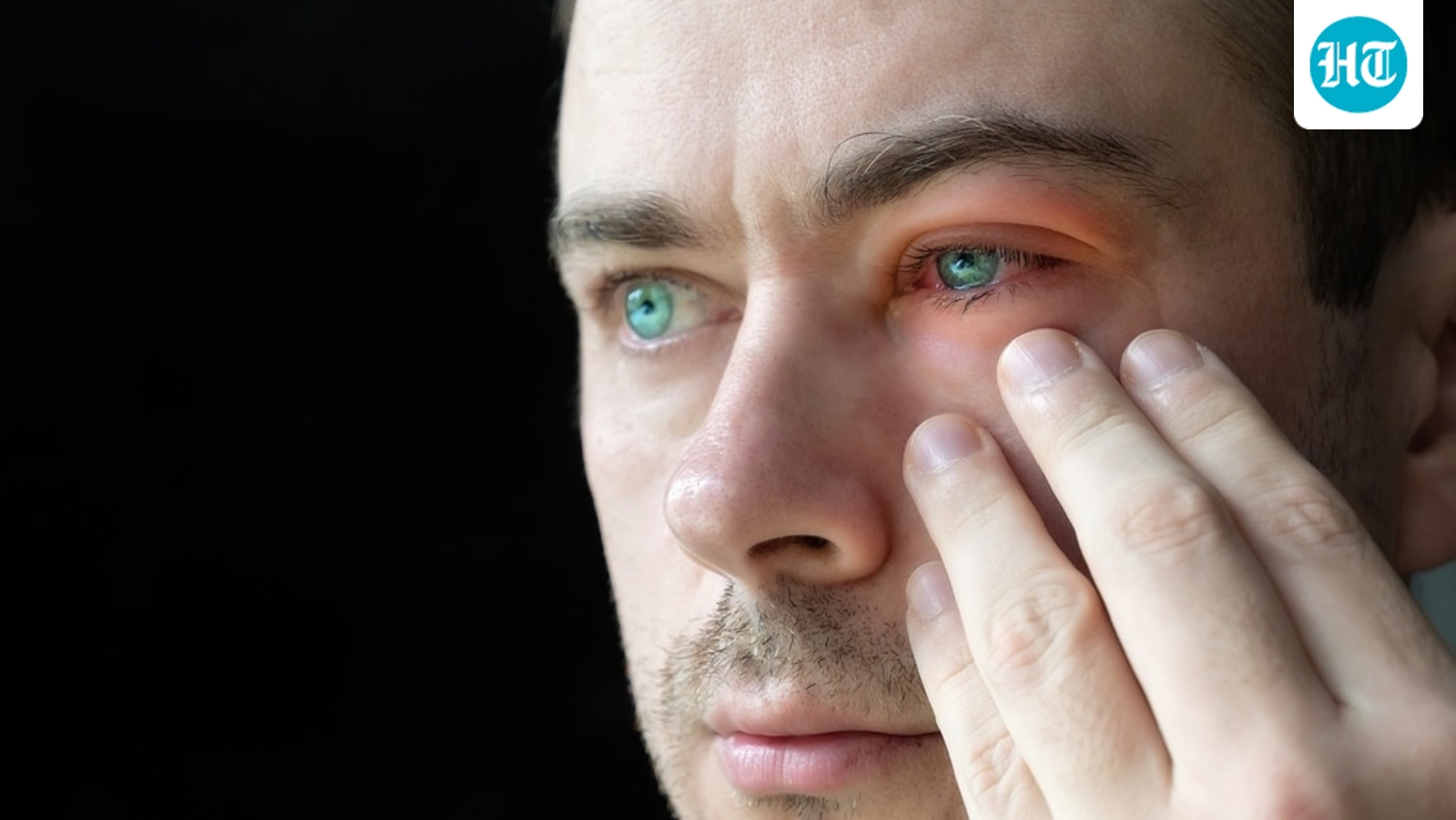
Monsoon Eye Care: 5 Infections to Watch. The rainy season brings high humidity and contaminated water, creating ideal conditions for bacterial growth that can severely affect your vision. According to Dr Apoorva Jadhav, consultant at NIO Eyes+ in Pune, the warm, damp environment is a primary trigger for seasonal eye problems. Exposure to dirty water and poor hand hygiene in crowded spaces further increase the risk, making Monsoon Eye Care a critical health priority.
The expert highlights that contact lens users, diabetics, and individuals with weak immunity are most vulnerable. The five most common infections include conjunctivitis, stye, keratitis, corneal ulcers, and allergic eye disease. Conjunctivitis is highly contagious, causing redness, watering, and sticky eyelids. Keratitis, an inflammation of the cornea, is frequently seen in lens wearers and demands early treatment to prevent permanent vision loss. A corneal ulcer is an ophthalmic emergency marked by severe pain and a visible white spot, requiring immediate medical attention.
Allergic eye disease, though non-infectious, flares up due to pollen and dust mites, leading to intense itching and eyelid swelling. Since redness and watering overlap across several conditions, do not dismiss these symptoms as routine irritation, especially if pain or blurred vision accompanies them. Recognizing these signs early is the cornerstone of effective Monsoon Eye Care.
Prevention is straightforward. Regularly wash your hands, avoid touching or rubbing your eyes, and never share towels or cosmetics. Ensure contact lenses are meticulously cleaned, and wear protective sunglasses outdoors to shield against debris and contaminated rain. Avoid self-medicating with over-the-counter drops. By following these simple steps, you can significantly reduce your risk and enjoy a safer, healthier monsoon season.