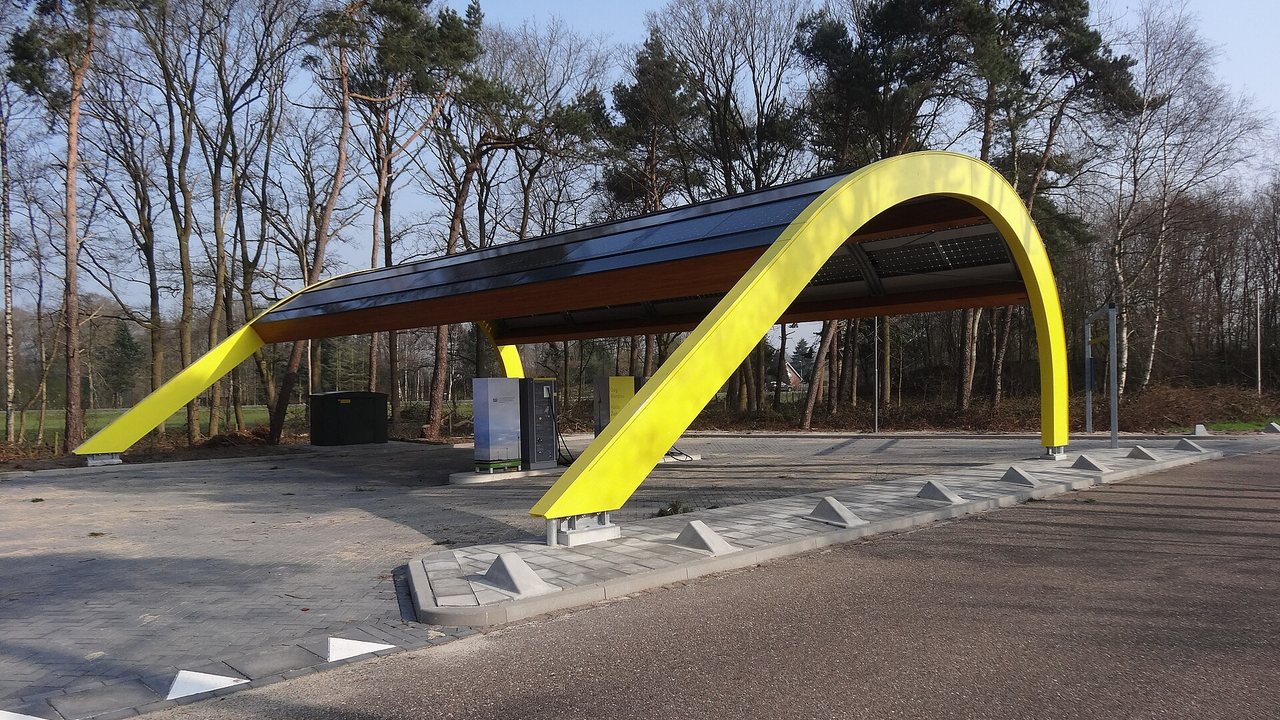
Here is the latest on EV Fast Charging. India’s transition toward electric mobility has accelerated significantly, anchored by rapid expansions in highway infrastructure. Major arterial routes now feature dense clusters of high-capacity direct current chargers designed to facilitate seamless inter-city travel. However, transitioning from urban commuting to long-distance highway touring reveals a distinct gap between laboratory driving ranges and actual consumption figures. High-speed cruising, heavy aerodynamic drag, and elevated ambient temperatures drastically alter battery efficiency across popular electric vehicle models.
Ev Fast Charging Corridors Fastcharging
Real-world testing along major expressways indicates that continuous high-speed driving reduces advertised range capabilities by up to 30 percent. While public charging networks have multiplied, spacing between functional ultra-fast chargers remains inconsistent across remote sectors. Furthermore, thermal throttling during back-to-back fast-charging sessions often extends replenishment times, challenging the convenience expected by long-distance motorists.
Automotive engineers emphasize that battery management software and intelligent route planning are now crucial for mitigating range anxiety. As highway infrastructure matures, prospective buyers must evaluate sustained cruising efficiency alongside peak charging speeds to determine true touring practicality across India’s evolving national corridors.
Follow PakkaFilmy for more updates. For official information, visit India.gov.in. Also read: Dubai Gold Price vs India – Customs Limits and Real Savings

Prashanth is the editor of PakkaFilmy. He covers Telangana and Andhra Pradesh politics, Telugu and Indian cinema, sports, technology and useful public-interest news in clear, simple English. Every story is checked against available official information before publishing, as set out in our Editorial Policy. Follow PakkaFilmy on X: https://x.com/pakkafilmy007 | Telegram: https://t.me/pakkafilmytelugu | Instagram: https://instagram.com/pakkafilmy_
Related Posts