
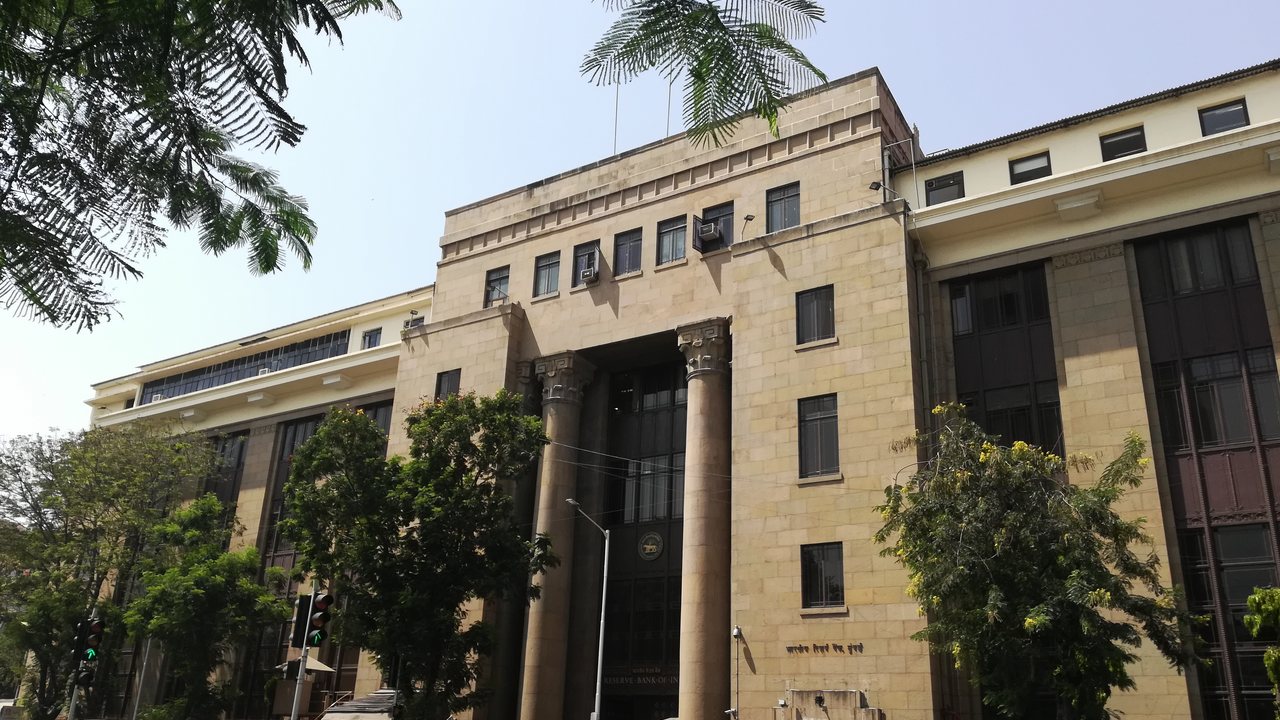
Key facts on RBI Money Mule are below. The Reserve Bank of India has introduced stringent guidelines to tackle the rising menace of cyber fraud and financial scams involving illicit bank accounts. As digital transactions soar across the country, law enforcement agencies and banking institutions have frequently flagged accounts used to channel fraudulent funds. Under the updated regulatory framework, financial institutions must adhere to standardized procedures when handling suspicious accounts, ensuring that innocent users are not indefinitely locked out of their hard-earned savings while investigative processes take their course.
For non-resident Indians (NRIs) and resident account holders alike, navigating sudden banking restrictions can trigger immense anxiety. Historically, when an account was flagged for unusual activity—often through the national cybercrime reporting portal—banks would place an indefinite freeze on all debits. This lack of uniformity meant customers faced prolonged bureaucratic hurdles to clear their names. The central bank’s latest directives aim to balance robust anti-fraud measures with consumer protection by establishing strict chronological caps and structured verification protocols.
Understanding the 60 Day Debit Hold Limit
At the heart of the new framework is a definitive 60-day cap on temporary debit holds placed on suspected money mule accounts. When an account is flagged based on intelligence or law enforcement inputs, banks can restrict outward transactions for a maximum period of two months. This timeline provides investigating agencies adequate window to examine transaction trails, verify KYC credentials, and determine whether the account owner is an unwitting victim or an active participant in fraudulent syndicates.
Crucially, if investigators fail to establish concrete evidence or request an official extension within this 60-day window, banks are mandated to restore partial or full operating status to the account. This prevents endless administrative limbo, safeguarding retail customers and overseas account holders from permanent financial disruption due to automated flags or erroneous cyber complaints.
Key Operational Changes for Commercial Banks
The regulatory overhaul mandates that commercial banks streamline their internal grievance redressal mechanisms specifically for frozen or restricted accounts. Customers must be notified promptly via registered email and SMS detailing the precise reason for the debit hold, alongside reference numbers of the associated cybercrime complaints. Furthermore, banks are required to designate specialized nodal officers to handle unfreezing requests and KYC re-verification documents expeditiously.
For NRIs managing NRE and NRO accounts remotely, these transparency norms offer vital relief. Previously, a remote freeze meant coordinating across international time zones with localized branch managers who lacked clarity on cyber cell protocols. The updated timelines compel banks to expedite digital KYC submissions, allowing account holders to upload required documents online and clear compliance checks without needing an immediate in-branch visit.
| Parameter | Previous Banking Practice | New RBI Regulatory Framework |
|---|---|---|
| Debit Hold Duration | Indefinite freeze until police clearance | Strictly capped at 60 days maximum |
| Customer Notification | Often delayed or absent | Mandatory instant SMS and email alerts |
| Resolution Channel | In-branch visits mandatory | Enhanced digital KYC and remote verification |
| Agency Accountability | No fixed deadlines for tracking | Clear verification windows for law enforcement |
Preventive Steps for Account Security
While regulatory guardrails protect consumers from indefinite freezes, proactive vigilance remains the best defense against digital scams. Account holders must regularly monitor their bank statements, enable instant transaction alerts, and avoid sharing confidential credentials or One-Time Passwords (OTPs) with unverified entities. If an account is unexpectedly flagged, individuals should immediately contact their respective bank’s cyber helpdesk, secure their login credentials, and gather supporting documentation to prove the legitimacy of incoming and outgoing transfers.
Ultimately, these standardized timelines reinforce India’s digital payment ecosystem, ensuring that security measures do not inadvertently penalize legitimate users. By establishing accountability and clear operational boundaries, the central bank aims to foster a safer environment for domestic and international banking participants alike.
Frequently Asked Questions
What happens if a bank hold exceeds 60 days?
If investigative agencies do not provide definitive evidence or secure formal judicial extensions within the mandated 60-day window, banks are required to lift the temporary debit hold on the suspected account, allowing normal banking operations to resume.
Can NRIs complete KYC verification online if their account is frozen?
Yes, banks have been directed to streamline digital verification channels, enabling non-resident account holders to submit required documentation and identity proofs securely online without requiring an immediate physical visit to an Indian branch.
How will I know if my account is marked as a money mule?
Banks are required to send immediate notifications via SMS and registered email outlining the restriction, the underlying complaint reference number, and the specific steps required to initiate the verification process.
More on RBI Money Mule
Follow PakkaFilmy for more updates on RBI Money Mule. For official information, visit Cybercrime.gov.in. Also read: Why RBI’s New Credit Card Rules Threaten Your Banking Limits

Prashanth is the editor of PakkaFilmy. He covers Telangana and Andhra Pradesh politics, Telugu and Indian cinema, sports, technology and useful public-interest news in clear, simple English. Every story is checked against available official information before publishing, as set out in our Editorial Policy. Follow PakkaFilmy on X: https://x.com/pakkafilmy007 | Telegram: https://t.me/pakkafilmytelugu | Instagram: https://instagram.com/pakkafilmy_
Related Posts