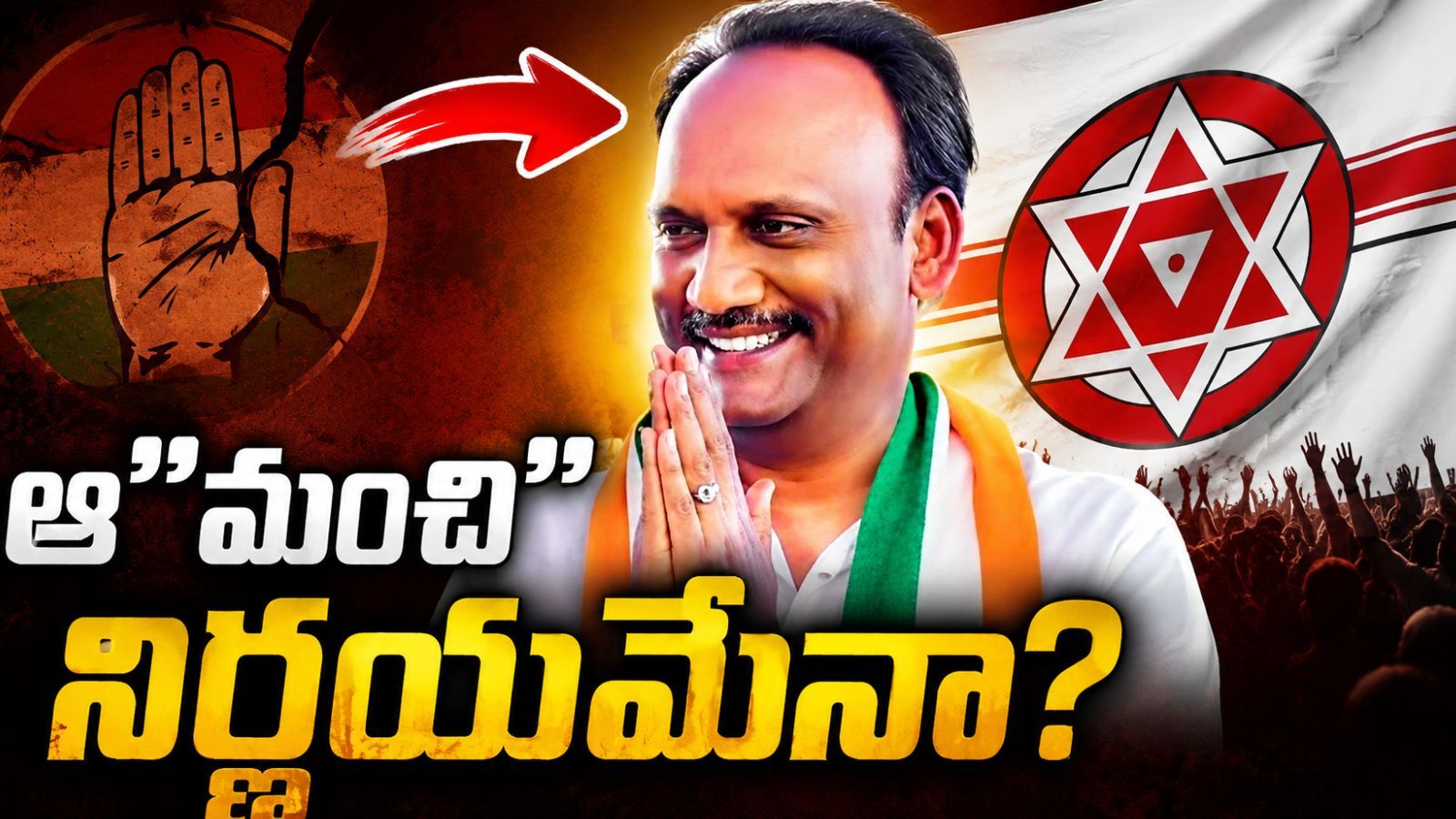
KK: Launches EKAM party, promising data-driven politics, but how will it attract voters?
Political analyst KK has moved from designing election surveys to founding a new political party called EKAM. The initiative marks a shift from observing voter trends to seeking a direct mandate, aiming to embed data‑driven methods into campaign tactics. Observers note that KK’s background in voter analytics could reshape conventional campaign dynamics across regions. The move underscores KK’s belief that empirical insights can guide policy formation.
KK launches EKAM political platform
EKAM aims to challenge established hierarchies by leveraging insights gathered from years of survey work. The party’s early statements emphasize a fresh alternative for disillusioned citizens, promising leadership grounded in analytical rigor and an understanding of ground‑level electoral dynamics. While its organizational structure remains unclear, the venture reflects a broader trend of experts testing their theories in real elections. Early recruitment drives target young professionals eager to apply quantitative skills to politics.
The launch arrives in a crowded political arena where regional and ideological entities vie for distinct niches. EKAM’s positioning seeks to attract voters dissatisfied with traditional patronage networks, offering a case study in modern electoral strategy. Analysts will watch how the party builds grassroots presence, forms alliances, and translates analytical credibility into mass appeal ahead of upcoming battles. Its digital outreach strategy includes interactive voter dashboards to demonstrate transparency.
Future announcements regarding candidate selections, policy manifestos, and campaign tactics will determine EKAM’s long‑term viability. The immediate test will be whether KK’s analytical reputation can convert into sustainable electoral victories at the ballot box. As the party expands its outreach, voters across the nation will assess if data‑driven governance can deliver responsive public administration and reshape the political landscape. Success will hinge on translating data into relatable narratives for everyday voters.
Prashanth is the editor of PakkaFilmy. He covers Telangana and Andhra Pradesh politics, Telugu and Indian cinema, sports, technology and useful public-interest news in clear, simple English. Every story is checked against available official information before publishing, as set out in our Editorial Policy. Follow PakkaFilmy on X: https://x.com/pakkafilmy007 | Telegram: https://t.me/pakkafilmytelugu | Instagram: https://instagram.com/pakkafilmy_