Manastu Space: India Backs With Rs 116 Crore For Green Tech
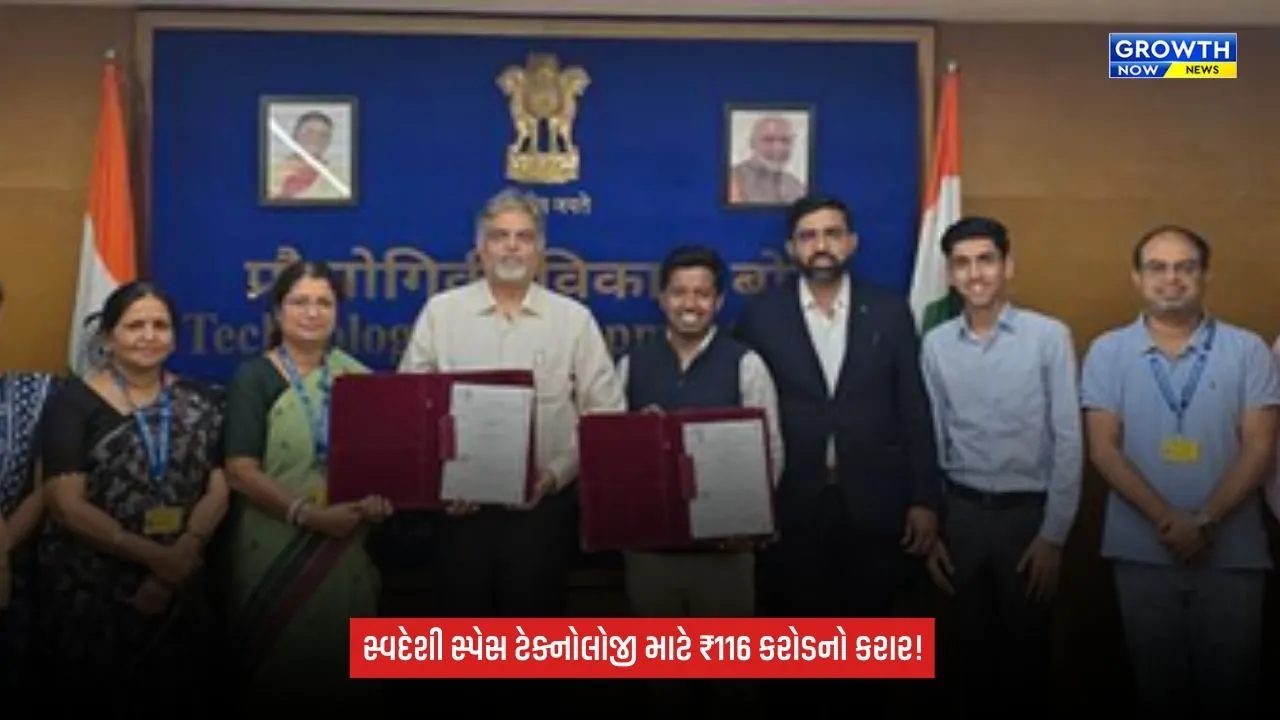
The Indian government has extended significant financial backing to an emerging aerospace enterprise to accelerate the development of sustainable maneuvering systems for orbiting platforms. This strategic initiative involves a substantial funding commitment designed to foster domestic capabilities in eco-friendly space logistics and orbital mobility. The formal agreement was finalized through official channels to support research, development, and industrialization efforts within the local high-technology sector.
News Update Latest News Update
Specifically, the financial support package amounts to ₹116 crore, equivalent to approximately $12.2 million, channeled through institutional bodies like the Technology Development Board under the Department of Science and Technology. This capital infusion is earmarked to help the startup ready its advanced, non-toxic propulsion products for commercial deployment in upcoming missions. Additionally, the firm has previously established international cooperation, including a pact with Japan-based Axelspace to explore the integration of these sustainable systems.
The backing addresses a long-standing environmental concern in the aerospace industry regarding the use of highly toxic conventional chemical fuels like hydrazine for spacecraft station-keeping and attitude control. Traditional thrusters pose significant handling hazards during pre-launch ground operations and leave harmful residues in the upper atmosphere. By transitioning to safer, greener alternatives, the domestic ecosystem aims to align with global environmental standards while maintaining high performance and reliability for commercial and institutional payloads.
Regional engineering hubs and academic institutions stand to benefit from the growing emphasis on indigenous deep-tech manufacturing and sustainable space exploration. As the nation expands its private space economy, such investments pave the way for high-value employment and technological self-reliance across multiple southern states and national research centers. Observers and industry stakeholders will closely monitor the operational milestones of the enterprise as it utilizes the ₹116 crore fund to transition from testing phases to active on-orbit deployment. Future updates are expected to detail flight-testing schedules, potential commercial contracts with international satellite operators, and further integration partnerships. Successful commercialization of this eco-friendly technology could establish a new benchmark for sustainable space missions worldwide.
Prashanth is the editor of PakkaFilmy. He covers Telangana and Andhra Pradesh politics, Telugu and Indian cinema, sports, technology and useful public-interest news in clear, simple English. Every story is checked against available official information before publishing, as set out in our Editorial Policy. Follow PakkaFilmy on X: https://x.com/pakkafilmy007 | Telegram: https://t.me/pakkafilmytelugu | Instagram: https://instagram.com/pakkafilmy_