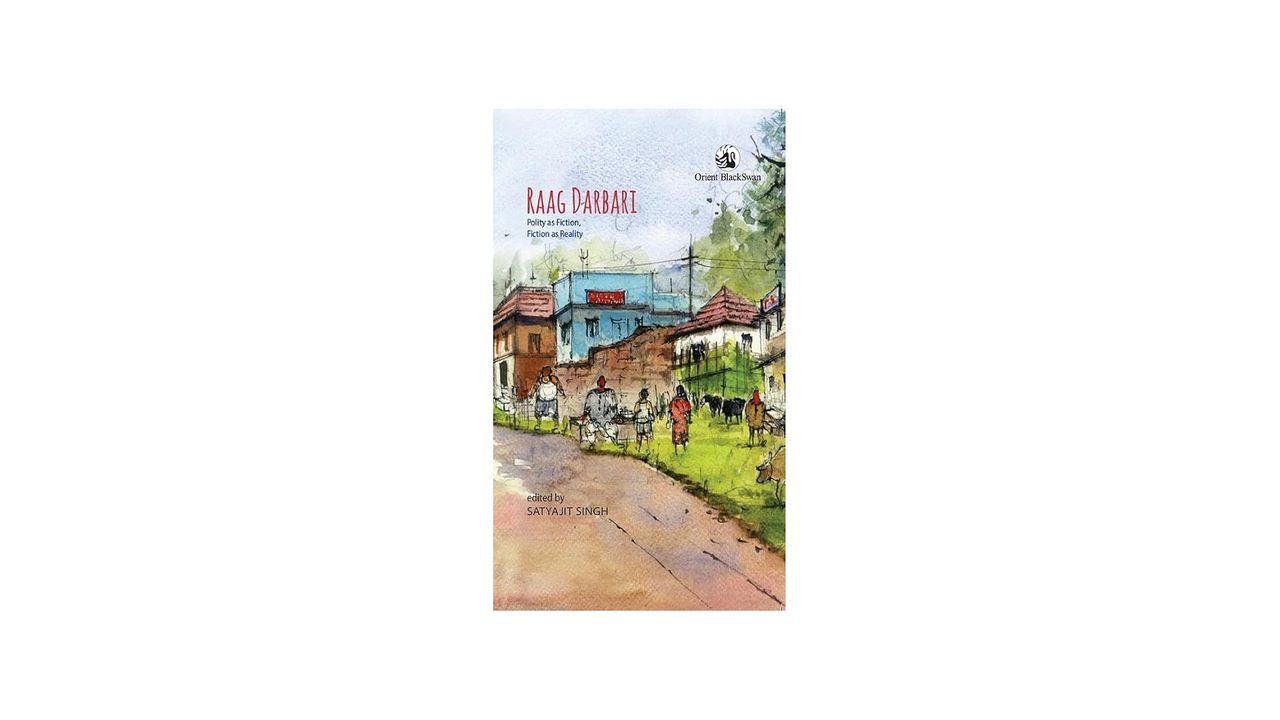
A leading magazine released an essay this week that examines the 1970s satirical novel *Raag Darbari* as a lens for interpreting today’s political climate. The analysis, penned by a senior commentator and featured in the October issue, argues that the book’s depiction of bureaucracy, patronage and vote‑bank tactics continues to echo current power structures. Its publication coincides with heated debates over electoral reforms, voter‑roll accuracy and a series of opposition protests across the nation, prompting renewed discussion of how cultural works reflect governance realities.
The essay draws specific parallels between the fictional village of Shivpuri and contemporary regional power brokers. It highlights the retired army officer who becomes a de facto kingmaker in the novel, likening him to today’s strongmen who command local party machines. Likewise, the cunning schoolteacher and self‑servicing landlord are presented as archetypes for modern legislators who manipulate public sentiment for personal gain. While the piece does not cite quantitative data, it references multiple recent state and national elections to illustrate the persistence of clientelist networks.
*Raag Darbari*, written by Shrilal Shukla in 1968, earned the Sahitya Akademi Award and has long been celebrated for its incisive satire of post‑independence governance. Its themes of corruption, nepotism and the manipulation of the electorate have resurfaced as the country witnesses a re‑organisation of party structures and intensified scrutiny of political financing. By situating the novel within a broader tradition of literary criticism that challenges authority, the essay aligns itself with recent commentaries on secular politics, party finance and the evolving nature of public discourse.
For readers in Andhra Pradesh and Telangana, the essay’s focus on patronage and regional strongmen holds particular relevance amid ongoing coalition negotiations and the emergence of local leaders influencing development agendas. The analysis underscores how cultural narratives can shape public perception of policy decisions made by both the central administration and state opposition groups, affecting livelihoods ranging from agricultural subsidies to urban infrastructure projects. It invites citizens to consider whether familiar patterns of clientelism are being replicated in their own districts.
Analysts will monitor how the essay influences dialogue among political scholars, civil‑society organisations and party strategists ahead of upcoming state elections. The discussion may spur renewed interest in leveraging literature as an educational tool for civic engagement and could inspire additional media pieces that compare classic satire with modern governance. Future debates are likely to explore whether the systemic issues identified in *Raag Darbari* can be mitigated through reforms or will remain entrenched in the evolving political landscape.