**EDS: THIRD PARTY IMAGE** In this image posted on Sept. 29, 2026, Finance Minister Nirmala Sitharaman meets Qatar Minister of State for Foreign Trade Ahmad bin Mohammed Al-Sayed on the sidelines of the AIIB 2026 Annual Meeting, in Doha. (@FinMinIndia/X via PTI Photo)(PTI09_29_2026_000551B)
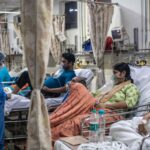
Healthcare Vision: India Health Forward 2047 Targets Pandemic Resilience
India has embarked on a comprehensive journey to fortify its medical infrastructure against future global health emergencies, aligning long-term strategic plans with the broader national objective of a developed nation by the centenary of its independence. Recent high-level discussions highlighted in medical and policy forums have outlined crucial steps needed to transform the country’s public health systems. Experts and policymakers converged to discuss strategies that move beyond routine medical management, focusing instead on structural resilience, advanced technological integration, and equitable access across all regions.
At the core of this forward-looking blueprint is the urgent need to build pandemic-resilient systems capable of withstanding unprecedented epidemiological shocks. Discussions emphasized strengthening domestic manufacturing capabilities for critical pharmaceuticals, enhancing supply chain logistics, and expanding the digital surveillance network to detect infectious disease outbreaks at their earliest stages. Furthermore, public-private partnerships are being positioned as a cornerstone to accelerate the deployment of cutting-edge diagnostic tools and decentralized treatment facilities in both rural and urban areas.
Artificial intelligence and data analytics are expected to play a transformative role in reshaping clinical outcomes and resource allocation over the coming decades. Analysts note that leveraging predictive modeling can significantly improve preventive care measures, ensuring that medical resources are directed efficiently where they are needed most. This technological pivot aims to bridge existing gaps in the delivery of critical care, ultimately supporting a robust framework that prioritizes preventive wellness over reactive treatment models.
Achieving these ambitious milestones will require sustained financial investment, rigorous regulatory oversight, and coordinated policy implementation across central and state administrations. Stakeholders across the medical ecosystem continue to stress the importance of continuous capacity building, including advanced training programs for frontline workers and researchers. As these strategic initiatives take shape, the nation moves steadily toward establishing a comprehensive medical framework that safeguards public well-being and addresses future health challenges proactively.