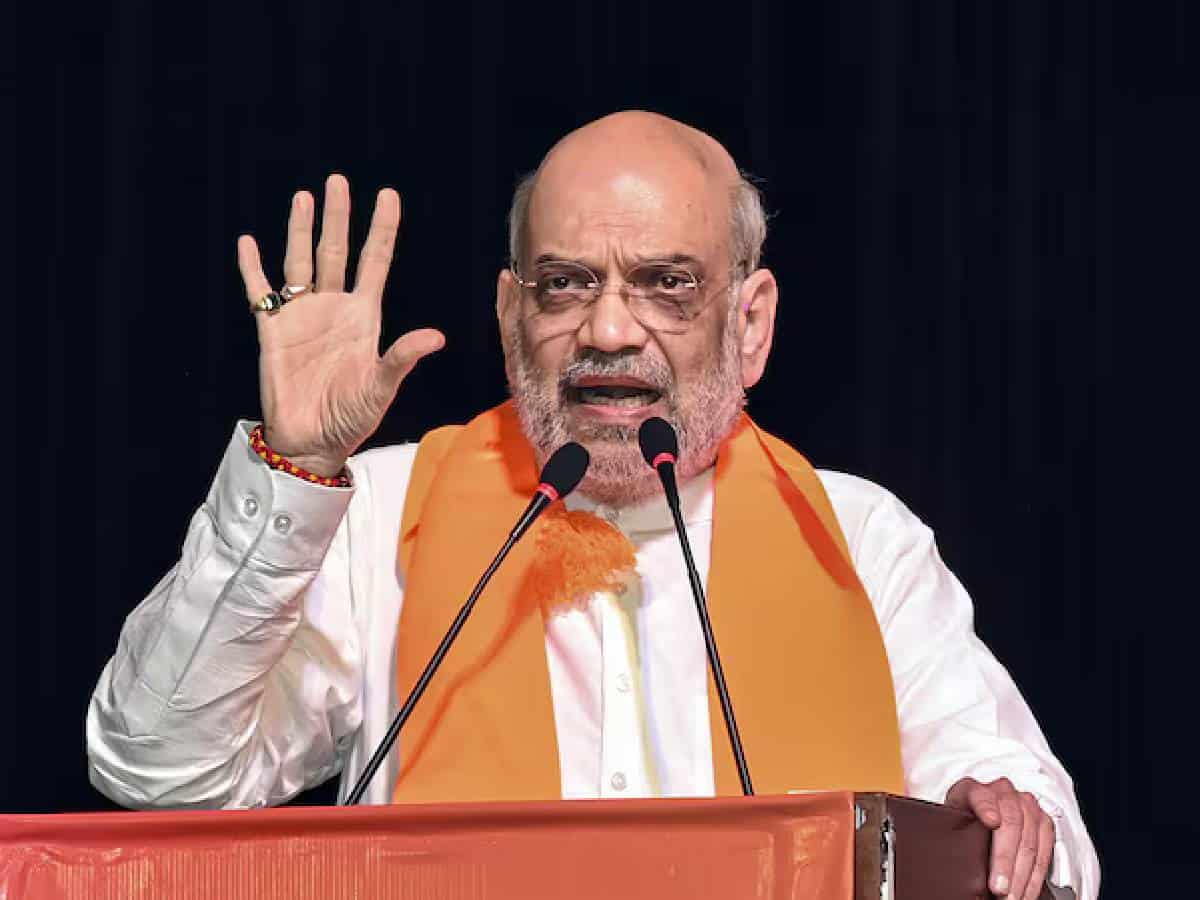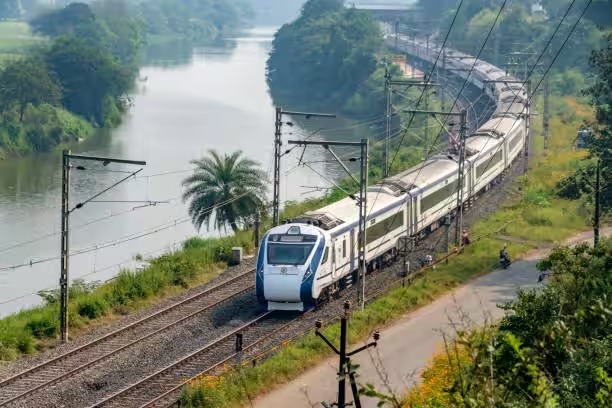
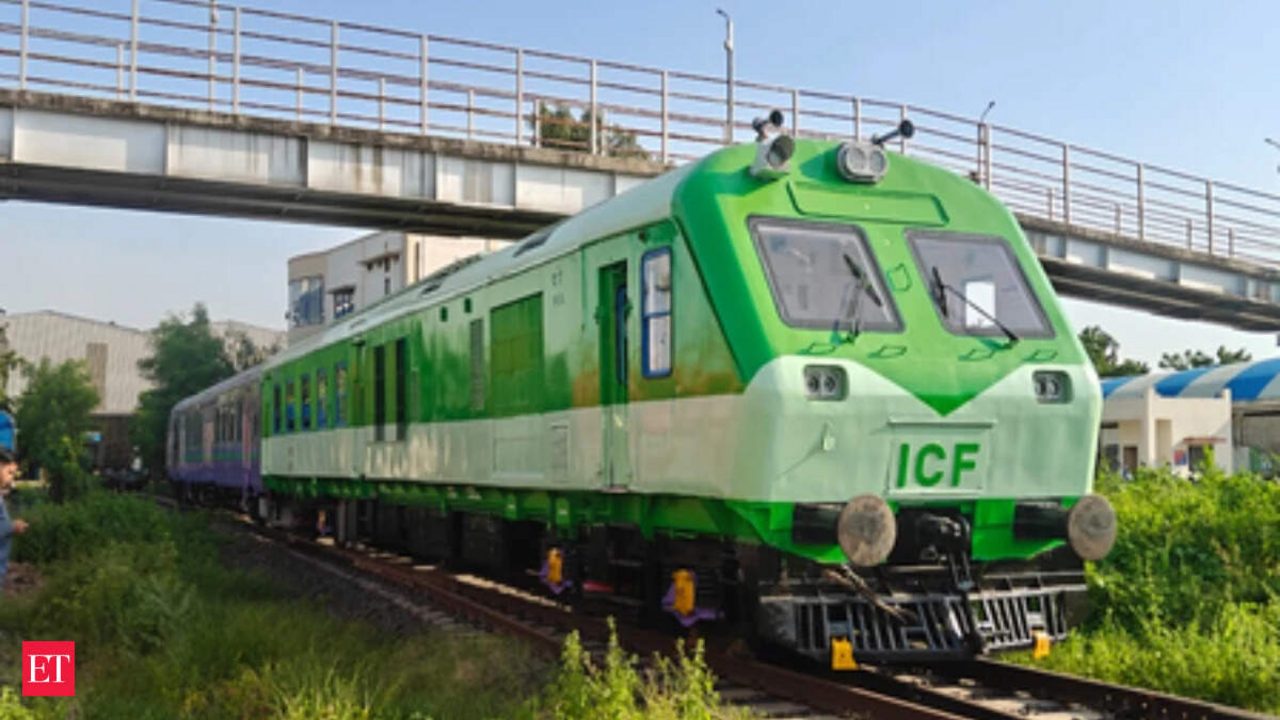
India is steadily transforming its public transport sector by introducing cleaner and more sustainable energy alternatives for its vast railway network. Following the recent rollout of hydrogen-powered rail technology, the nation has achieved another significant milestone in eco-friendly mobility. Union Home and Cooperation Minister Amit Shah officially flagged off the country’s pioneering liquefied natural gas rail service from the Sabarmati station in Ahmedabad, Gujarat. This modern transportation initiative marks a major step forward in reducing carbon emissions and transitioning away from traditional diesel engines across regional routes.
Alongside the launch of this innovative propulsion system, the event included the inauguration of several crucial railway infrastructure projects worth over fifteen hundred crore rupees. These developments are designed to enhance passenger connectivity, modernize station facilities, and improve overall operational efficiency throughout the region. By integrating alternative fuel technologies into everyday operations, the national transporter aims to decrease its environmental footprint while maintaining reliable and cost-effective services for millions of daily commuters.
The newly introduced dual-fuel and gas-powered machinery represents a strategic shift in how locomotives are engineered and operated in the country. Liquefied natural gas burns significantly cleaner than standard diesel, offering a practical bridge toward zero-emission travel before full electrification or hydrogen adoption becomes universally viable. Engineers and railway authorities have carefully tested these advanced units to ensure they meet stringent safety, performance, and durability standards required for heavy-haul passenger transport across diverse geographical terrains.
This progressive leap underscores a broader national commitment to green energy and sustainable infrastructure development in the coming decades. As trial runs and initial deployments expand, commuters can expect quieter journeys, reduced air pollution, and a more modern travel experience. The successful integration of these cutting-edge power sources paves the way for a greener future in public transit, positioning the nation as a forward-thinking leader in railway innovation and environmental stewardship.

Prashanth is the editor of PakkaFilmy. He covers Telangana and Andhra Pradesh politics, Telugu and Indian cinema, sports, technology and useful public-interest news in clear, simple English. Every story is checked against available official information before publishing, as set out in our Editorial Policy. Follow PakkaFilmy on X: https://x.com/pakkafilmy007 | Telegram: https://t.me/pakkafilmytelugu | Instagram: https://instagram.com/pakkafilmy_
Related Posts