Election Bypolls: Are They Really A Referendum In AP And Telangana?
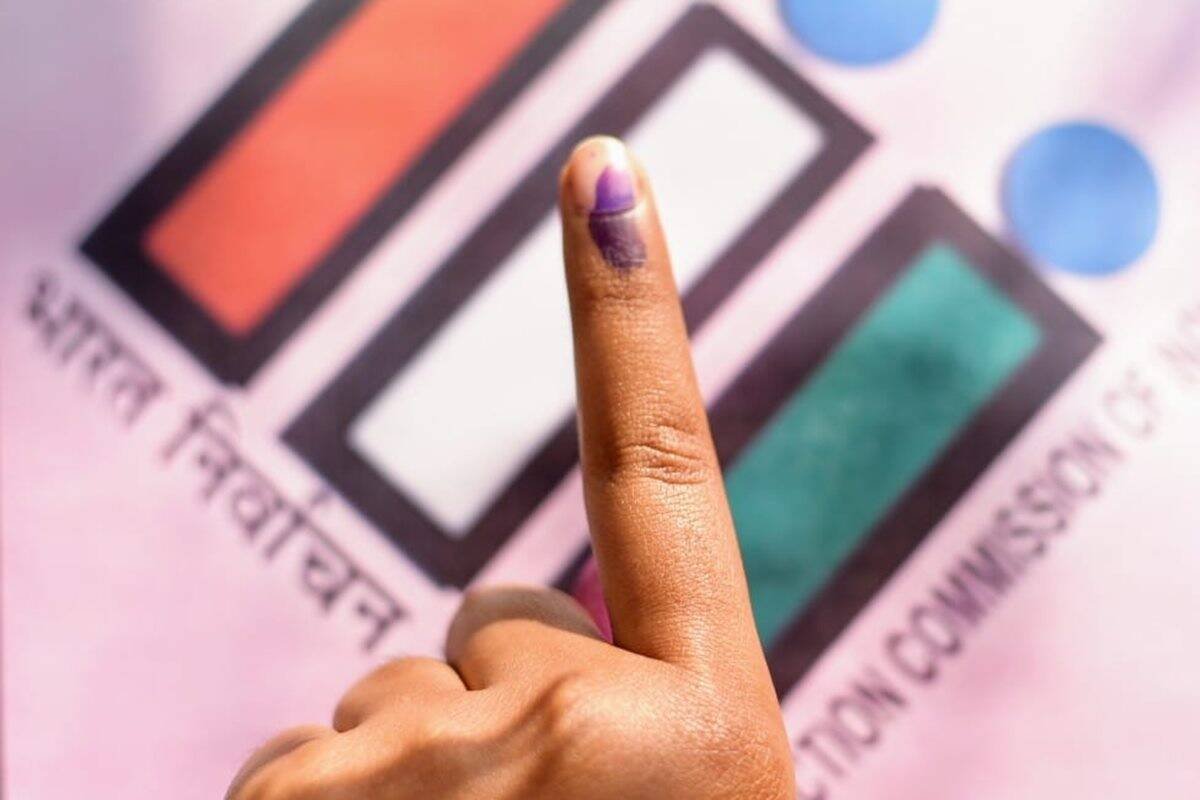
In the complex landscape of Indian politics, Election Bypolls are often viewed by political analysts and parties as a testing ground for the popularity of the ruling administration. However, historical data from the last twelve years in the Telugu states of Telangana and Andhra Pradesh suggests that these localized contests rarely serve as a definitive referendum on the broader political climate. While a victory in a by-election can provide a temporary morale boost to a party’s cadre, it does not consistently translate into success during the subsequent general assembly elections. This divergence highlights a unique electoral behavior where voters prioritize local issues and individual candidates over state-level leadership during these specific mid-term contests. The historical record indicates that the momentum gained in a single constituency is often insufficient to sway the entire state’s mandate.
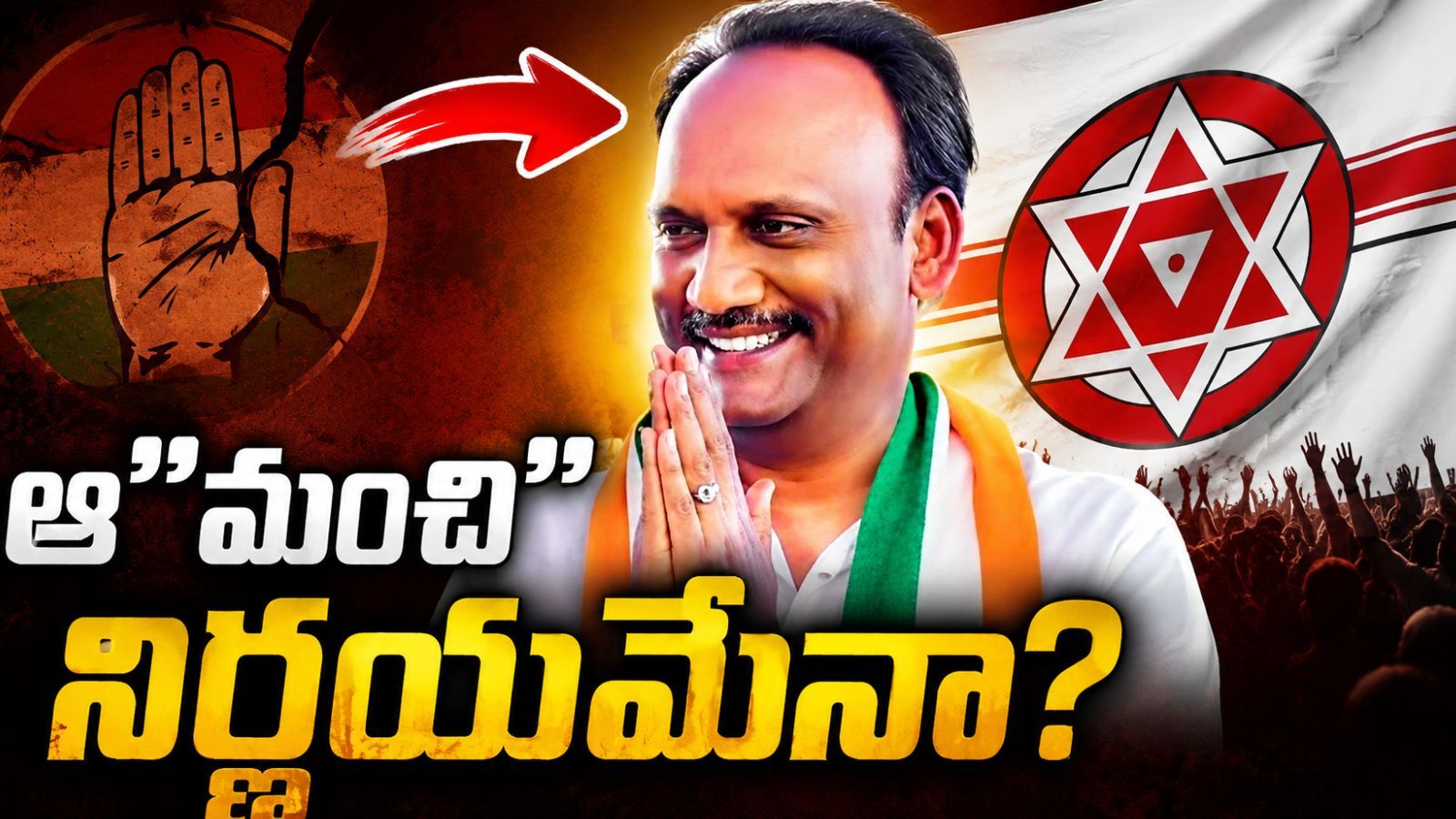
Over the past decade, both Telangana and Andhra Pradesh have witnessed several high-stakes by-elections triggered by various factors, including the death of sitting members or strategic resignations for political positioning. During these periods, political parties often deploy their top leadership and significant financial resources to secure a win, treating the seat as a matter of immense prestige. For instance, in the lead-up to previous general elections, certain parties secured massive victories in high-profile by-elections, leading to an widespread assumption of a sweeping mandate in the future. Yet, when the general elections finally arrived, the voting patterns shifted dramatically, showing that the momentum gained during a single-seat contest is often fleeting and disconnected from the statewide sentiment that governs a general assembly poll.
Detailed analysis of twelve years of electoral data reveals that by-election results in these regions frequently diverged from the eventual assembly election verdicts. Several factors contribute to this phenomenon, most notably the sympathy factor that often follows the demise of a popular leader, which can sway a bypoll result in favor of a specific family or party regardless of current political trends. Additionally, the intensity of a by-election allows the ruling party to concentrate its entire administrative and organizational machinery on a single constituency, a feat that is nearly impossible during a simultaneous statewide election involving hundreds of seats. The data suggests that while the incumbent government often holds a structural advantage in by-elections due to their control over localized development projects and resources, this advantage often evaporates when the electorate evaluates the government’s overall performance during a general election cycle.
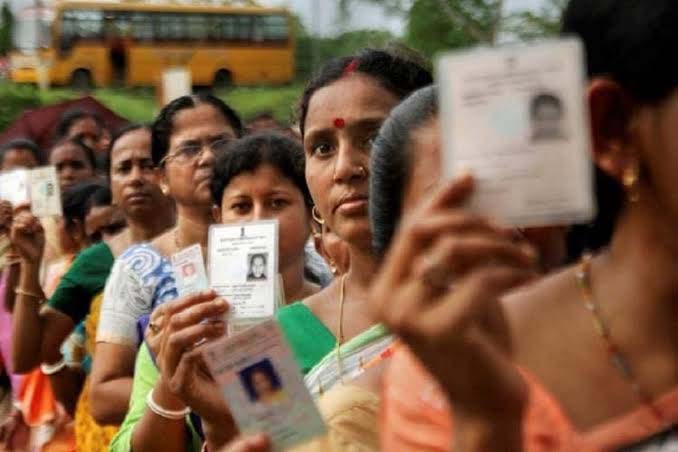
As the Election Commission continues to schedule new contests across various states, including recent announcements for seats in Maharashtra and Tamil Nadu, the lessons from the Telugu states remain highly relevant for political strategists. Political parties are increasingly cautioned against over-interpreting by-election wins as a guarantee of future dominance or a sign of an impending wave. Moving forward, the focus for major parties is likely to shift toward sustainable long-term governance and broad grassroots connectivity rather than relying on the short-term optics of a single-seat victory. For the electorate, these contests remain a crucial tool to address immediate local grievances and hold representatives accountable, but for the analysts, they serve as a reminder that the path to a full assembly majority requires a much more consistent and widespread appeal. The evolving nature of voter psychology ensures that each election remains an independent event, shaped by the specific circumstances of the time rather than past results.