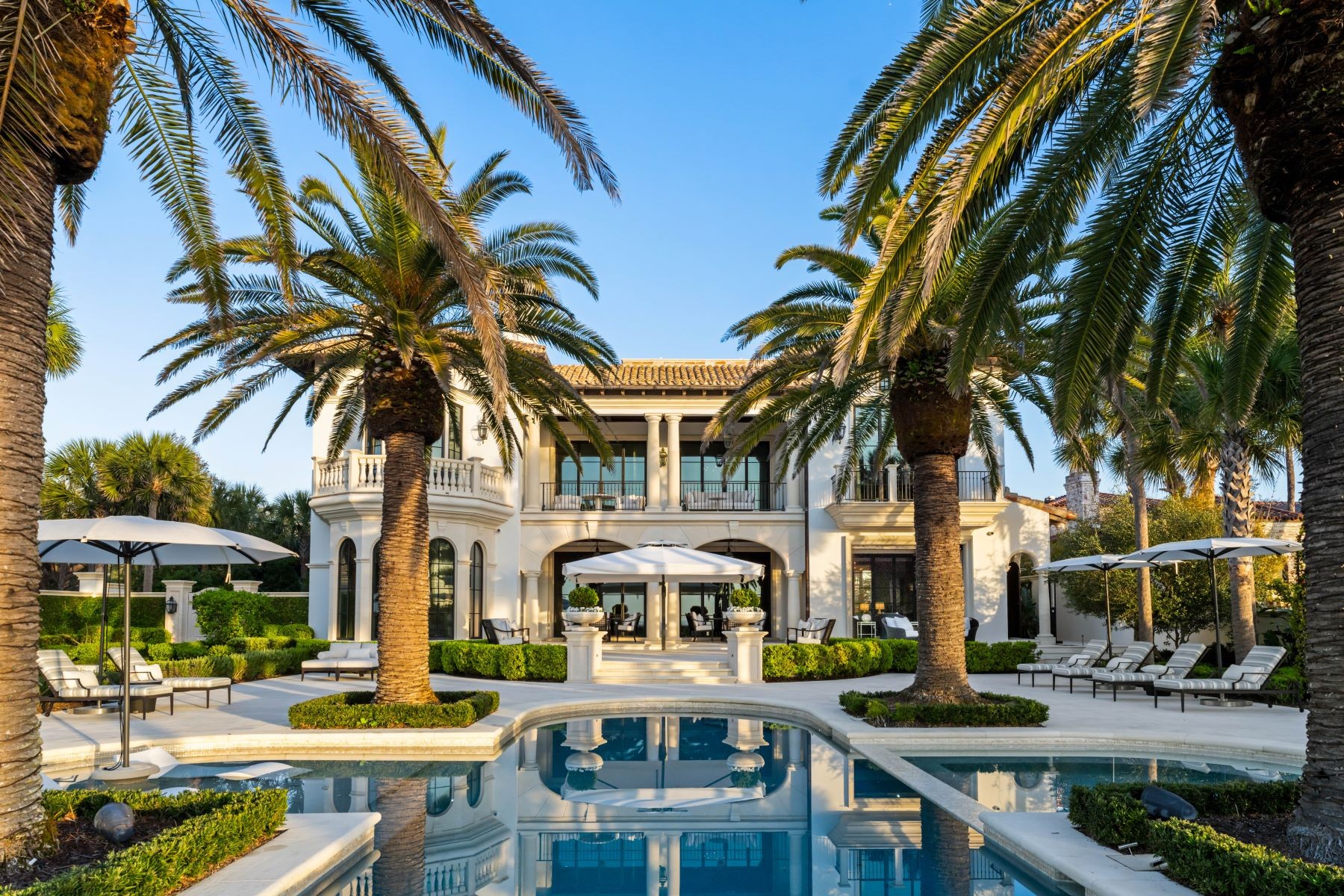
The Indian real estate market is witnessing a significant transformation as the younger generation of wealthy investors increasingly prioritizes a high-end Luxury Property that offers more than just a prestigious address. For decades, the pinnacle of urban success was often represented by a high-rise penthouse in a metropolitan hub, but that sentiment is rapidly evolving. Today’s young affluent buyers, including tech entrepreneurs and high-earning professionals, are moving away from traditional apartments in favor of tangible land parcels and lifestyle-oriented assets. This shift is driven by a desire for greater autonomy, privacy, and the long-term value associated with land ownership. As wealth in India becomes more concentrated among a younger demographic, the criteria for luxury are being redefined to include space, exclusivity, and the ability to customize one’s environment from the ground up.
Historically, the convenience and amenities of luxury condominiums were the primary draw for the nation’s elite. However, recent high-profile transactions in major cities like Mumbai indicate a burgeoning appetite for independent structures and full-tower acquisitions. For instance, top business leaders and founders have recently secured massive deals for entire towers or expansive plots in prime residential corridors. This trend mirrors global movements where international figures and celebrities are investing in private islands or massive estates to ensure absolute seclusion. The shift is also fueled by a growing awareness of stealth wealth, where the ultra-rich prefer off-market deals and discreet residences over high-traffic developments. This background sets the stage for a market that is no longer satisfied with standardized luxury but instead demands something unique and enduring.
The core reasons for this pivot toward land and lifestyle assets are multifaceted. Land is increasingly viewed as a superior hedge against inflation and a finite resource that offers better appreciation potential than built-up apartments. Furthermore, the modern affluent buyer seeks a holistic living experience that incorporates wellness, private green spaces, and dedicated areas for leisure. Instead of sharing a gym or pool with hundreds of other residents, the new wave of buyers wants personalized amenities within their own gated perimeters. This has led to a surge in demand for vacation homes in peripheral areas and lifestyle estates that serve as both a primary residence and a sanctuary. The flexibility to build a bespoke home that reflects individual tastes, such as architectural masterpieces inspired by global heritage, has become a key status symbol for the modern investor.
Looking ahead, the preference for land and lifestyle assets is expected to reshape the urban landscape and the residential sector for years to come. Developers are already pivoting their strategies to include more plotted developments and low-density enclaves to cater to this discerning clientele. As privacy, personalization, and longevity become the pillars of modern living, the traditional apartment model may need to innovate significantly to remain competitive in the high-end segment. The rise of co-investment models and private travel-ready estates further suggests that the definition of a home is expanding beyond simple four-wall structures. Ultimately, the shift signifies a maturing market where the young affluent are not just buying a place to live, but are investing in a legacy that balances financial prudence with an uncompromising quality of life.
Follow us on X (Twitter) for more updates.