Boat clinics: Life-saving medical care reaches India’s remote river islands
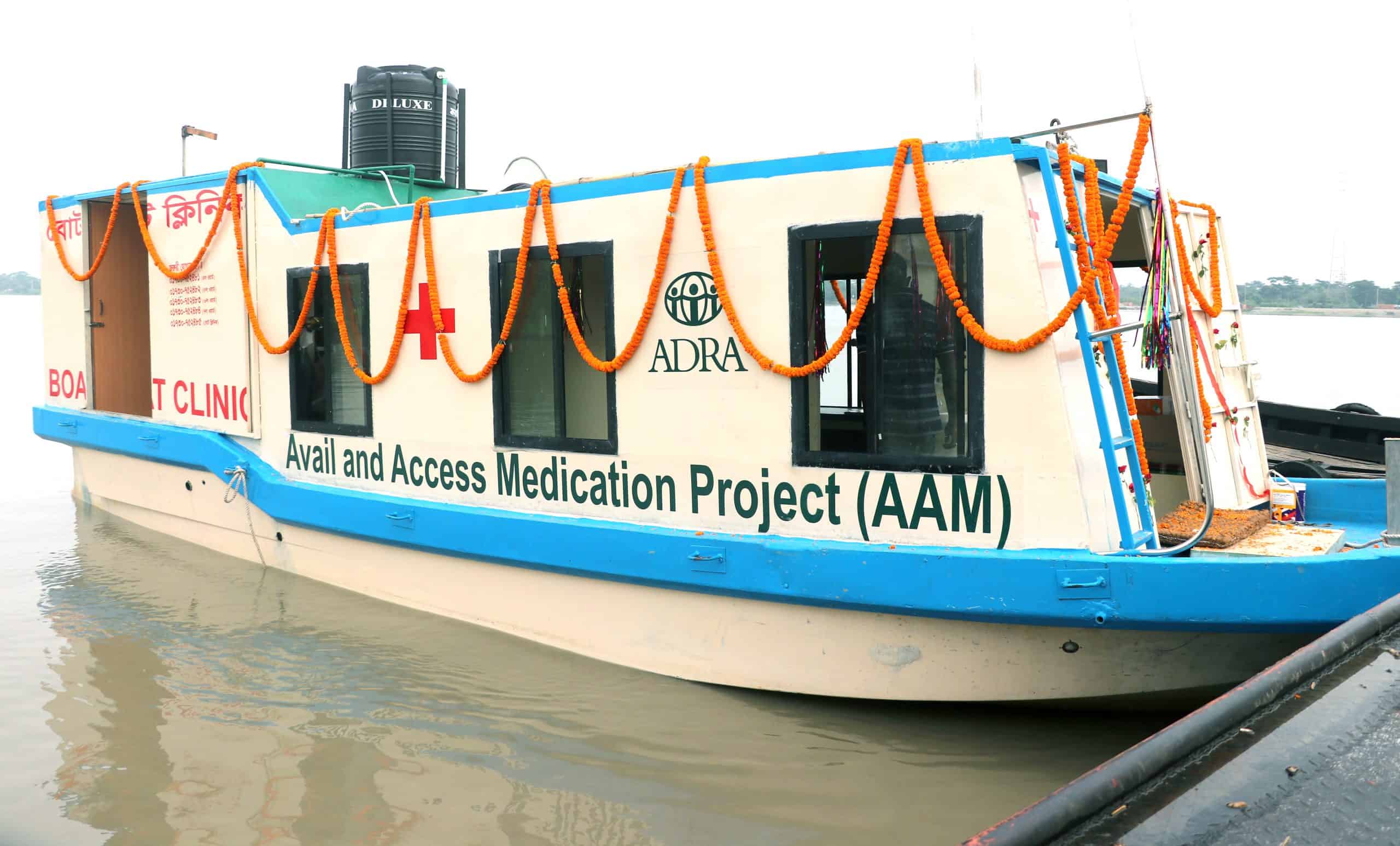
Boat clinics serve as a vital lifeline for millions of people living on the remote riverine islands of India, where traditional brick-and-mortar hospitals remain largely inaccessible due to the shifting terrain. These specialized vessels navigate treacherous waters to reach communities that are frequently cut off from the mainland. In regions like the Brahmaputra river valley and the vast delta of the Sunderbans, the lack of bridges and paved roads makes mobile medical units on water the only viable solution for delivering essential services. By bringing healthcare directly to the doorsteps of isolated villagers, these initiatives are addressing long-standing disparities in medical access and ensuring that geographic isolation does not translate into a lack of basic human rights.
The concept of riverine healthcare in India is not entirely new, but it has gained significant momentum over the last two decades. The islands, often referred to as ‘chars’, are inherently unstable, with landmasses frequently disappearing or reappearing due to heavy monsoon rains and river erosion. Building permanent structures in such an environment is often impractical and cost-prohibitive. Consequently, state governments and various non-profit organizations have collaborated to commission fleets of hospital ships. These projects were born out of a desperate need to reduce high infant and maternal mortality rates in rural pockets where the nearest clinic could be several hours away by country boat. Over time, what started as a few experimental units has evolved into a robust network that covers hundreds of islands, providing a consistent presence in lives that are otherwise dictated by the whims of the river.
On a typical day, these floating clinics are staffed with a dedicated team comprising doctors, nurses, laboratory technicians, and pharmacists. The services offered are comprehensive, ranging from routine check-ups and the distribution of essential medicines to specialized maternal and child health programs. During global health crises, such as the recent pandemic, these vessels played a crucial role in conducting screenings and administering vaccinations in areas that larger government machinery could not easily penetrate. Beyond immediate treatment, the teams also conduct health awareness camps to educate the islanders on hygiene, nutrition, and disease prevention. The ships are equipped with basic diagnostic tools and cold-storage facilities for vaccines, ensuring that the quality of care provided on the water is comparable to that of primary health centers on the mainland. For many residents, the arrival of the clinic boat is a monthly event that signifies safety and security for their families.
Looking ahead, the focus is shifting toward scaling these operations and integrating modern technology to enhance service delivery. The success of the water-borne medical model has sparked interest in adopting similar strategies for other remote coastal regions across the country. Future developments may include the introduction of tele-medicine capabilities, allowing local doctors on the boats to consult with specialists in metropolitan hospitals via satellite links. However, challenges such as rising fuel costs, the impact of climate change on river patterns, and the need for regular vessel maintenance remain significant hurdles. Continued investment and political will are essential to ensure that these mobile units remain operational. As India strives toward universal health coverage, the continued evolution of these riverine clinics will be a critical factor in reaching the last mile and ensuring that no citizen is left behind because of where they live.