Storyboard Artists: The Creative Minds Crafting the Visuals of Telugu Cinema
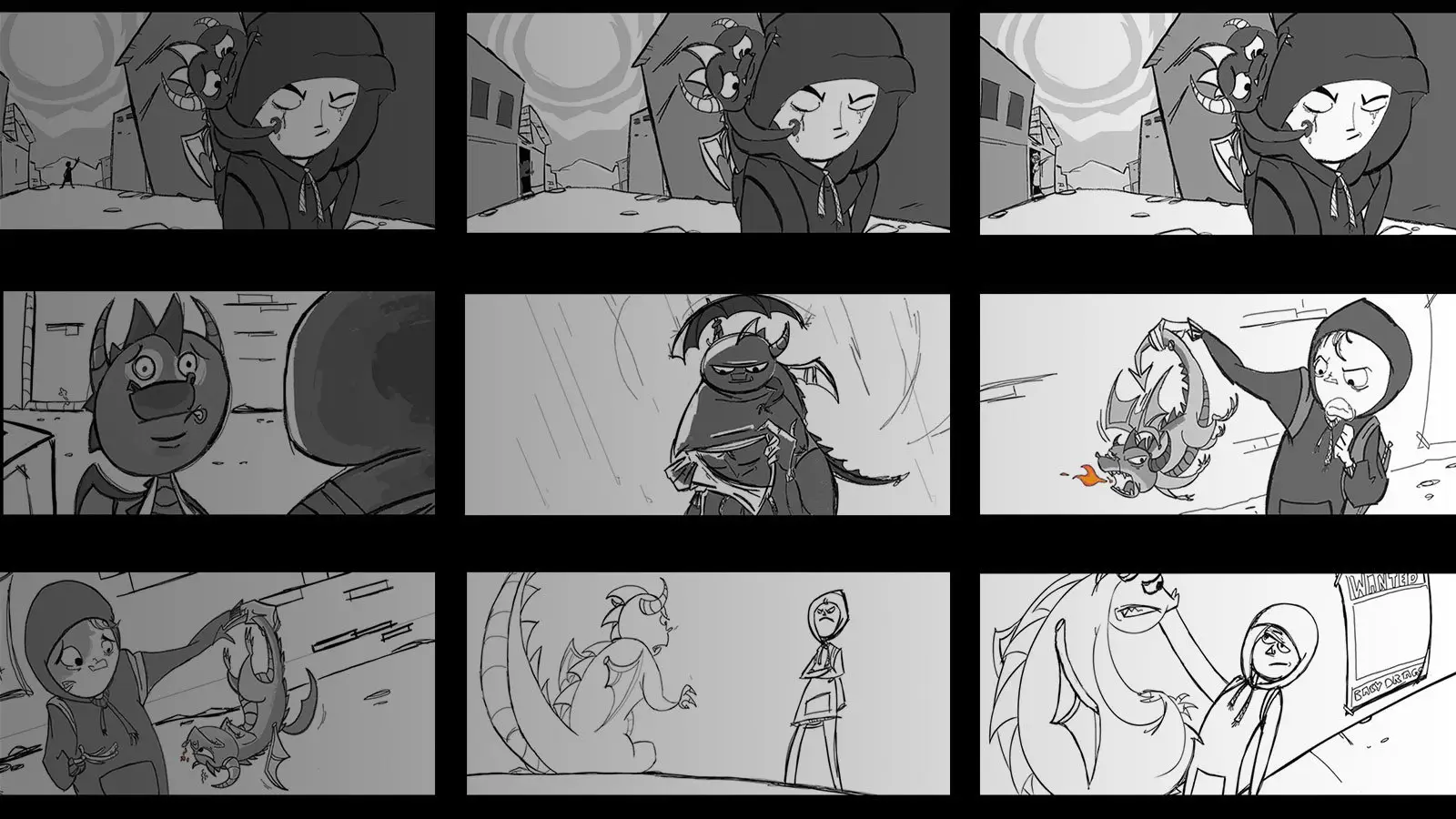
The role of Storyboard Artists has become increasingly pivotal in the modern landscape of filmmaking, acting as the visual bridge between a director’s written script and the final cinematic output. In the vibrant world of Telugu cinema, these artists are the unsung architects who map out high-octane action sequences, intricate dance numbers, and emotional beats long before the cameras begin to roll. By sketching out frame-by-frame compositions, they provide a blueprint that allows the entire production crew to synchronize their efforts, ensuring that the creative vision remains consistent from pre-production through to the final edit. This meticulous process not only saves time on set but also allows filmmakers to experiment with camera angles and pacing in a cost-effective manner. As the scale of regional productions grows, the expertise of these illustrators is becoming indispensable for managing both logic and creativity during the construction of a film.
Historically, storyboarding was a manual craft often reserved for large-scale epics, but it has now expanded into every genre within the regional film industries. The evolution of digital tools has transformed the medium, enabling artists to create highly detailed pre-visualizations that include lighting and depth of field. However, the industry is currently navigating a complex debate regarding the integration of artificial intelligence in this creative sphere. While some prominent global filmmakers have recently explored software tools to streamline the storyboarding process, many traditional artists and professional guilds have voiced concerns. They argue that replacing human intuition and artistic touch with automated software could diminish the soul of cinematic storytelling. This tension highlights a significant turning point where the value of manual craftsmanship is being weighed against the efficiency of technological advancement.
Within the context of Telugu cinema, the demand for sophisticated storyboarding has surged due to the rise of massive spectacles that rely heavily on visual effects. Directors now work hand-in-hand with illustrators to choreograph complex sequences that involve thousands of extras and intricate digital elements. The process typically begins with a deep dive into the screenplay, followed by rough thumbnail sketches that establish the flow of the narrative. These artists must possess a deep understanding of cinematography, lighting, and anatomy to accurately represent the director’s intent. For major action blockbusters, these boards serve as the primary reference for stunt coordinators and visual effects supervisors, making the artist an essential collaborator in the film’s success. Their ability to translate abstract ideas into tangible imagery is what allows the industry to produce world-class visual narratives.
Looking toward the future, the profession is expected to remain a cornerstone of the filmmaking process, even as new technologies emerge. While digital software might offer faster ways to generate imagery, the fundamental need for human creativity and emotional resonance cannot be easily replicated by an algorithm. The next generation of artists will likely embrace a hybrid approach, using advanced tools to enhance their work while maintaining the unique perspective that only a human designer can provide. As the Telugu film industry continues to expand its global footprint, the investment in high-quality pre-production art will only increase. These visual storytellers will continue to play a vital role in shaping the aesthetic identity of regional cinema, ensuring that every frame captured on screen is the result of a carefully considered and masterfully drawn vision.