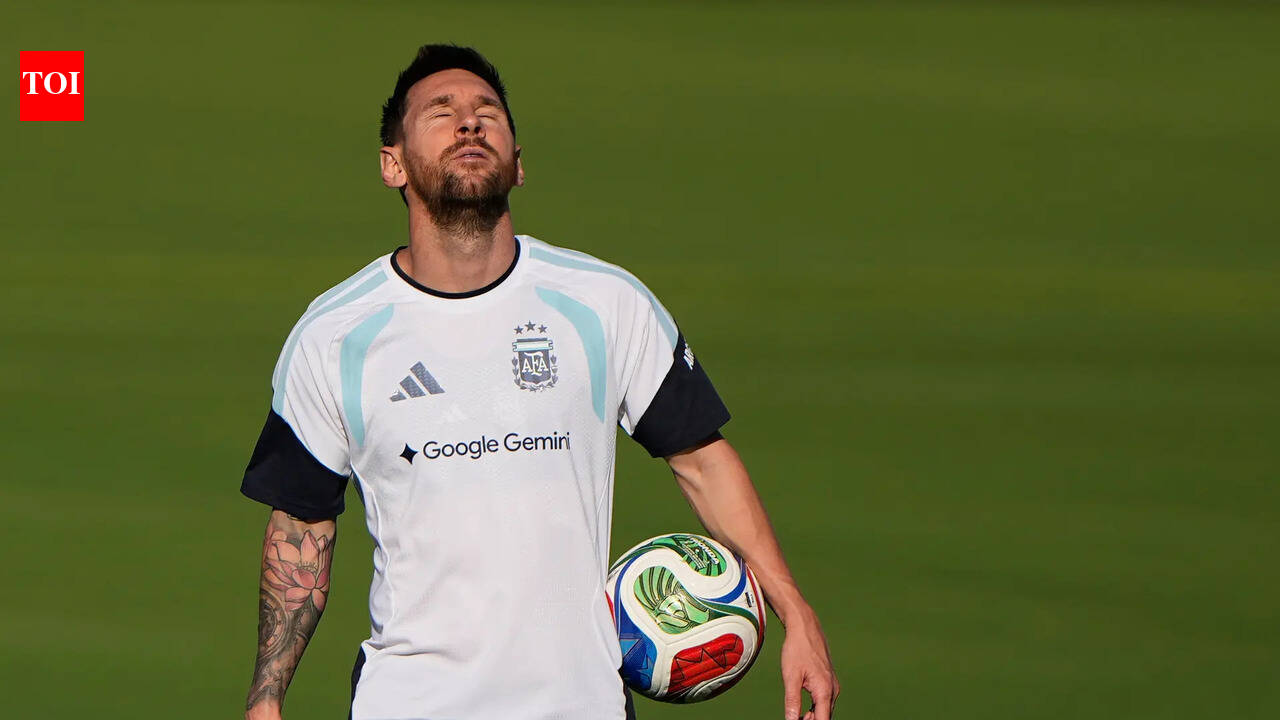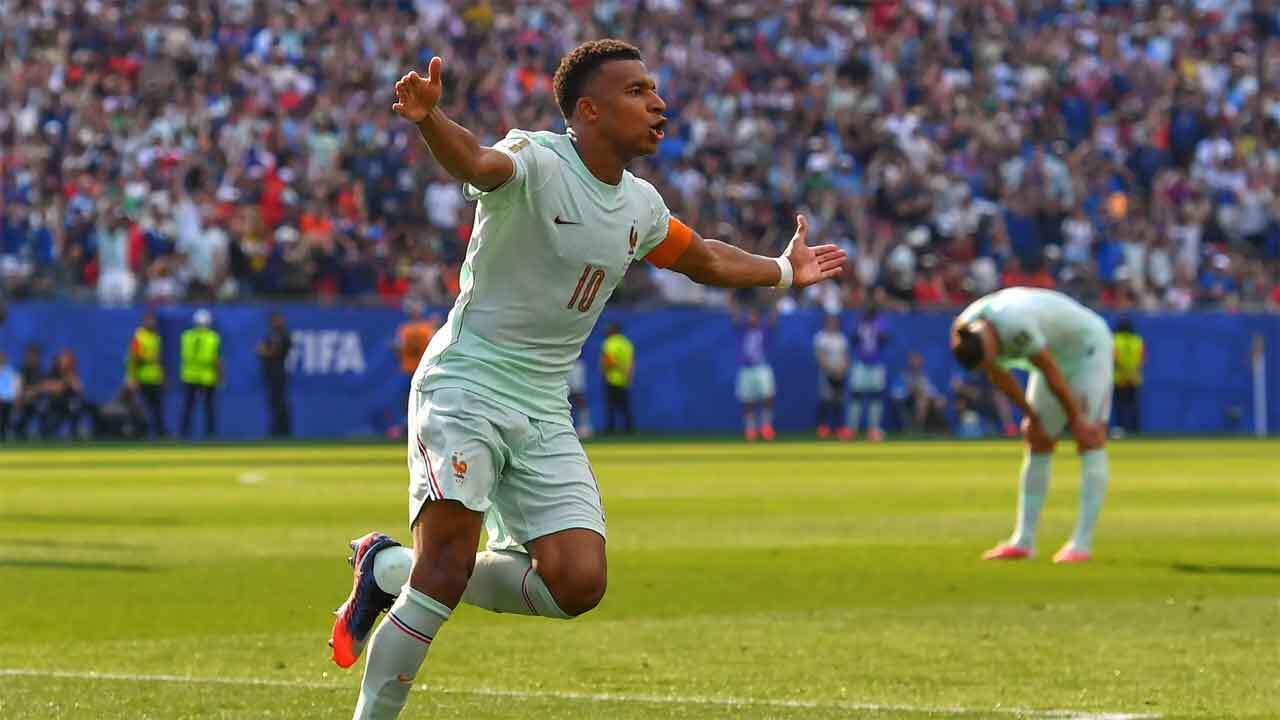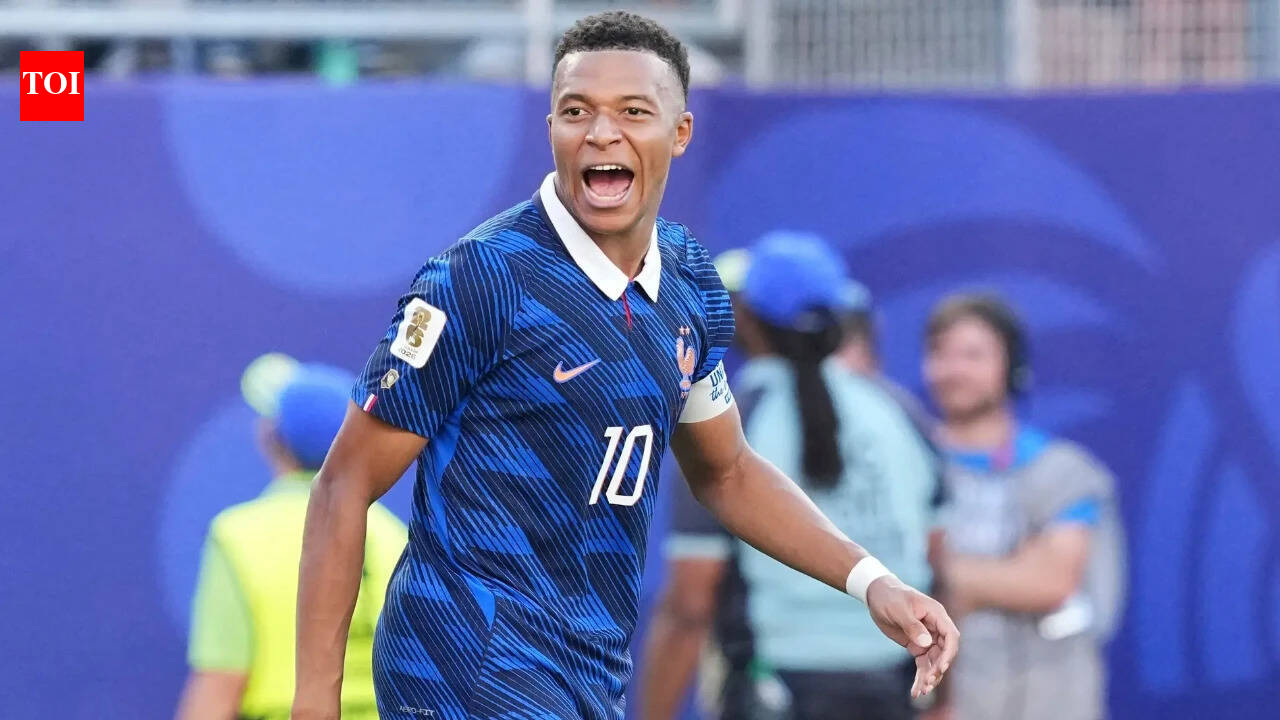
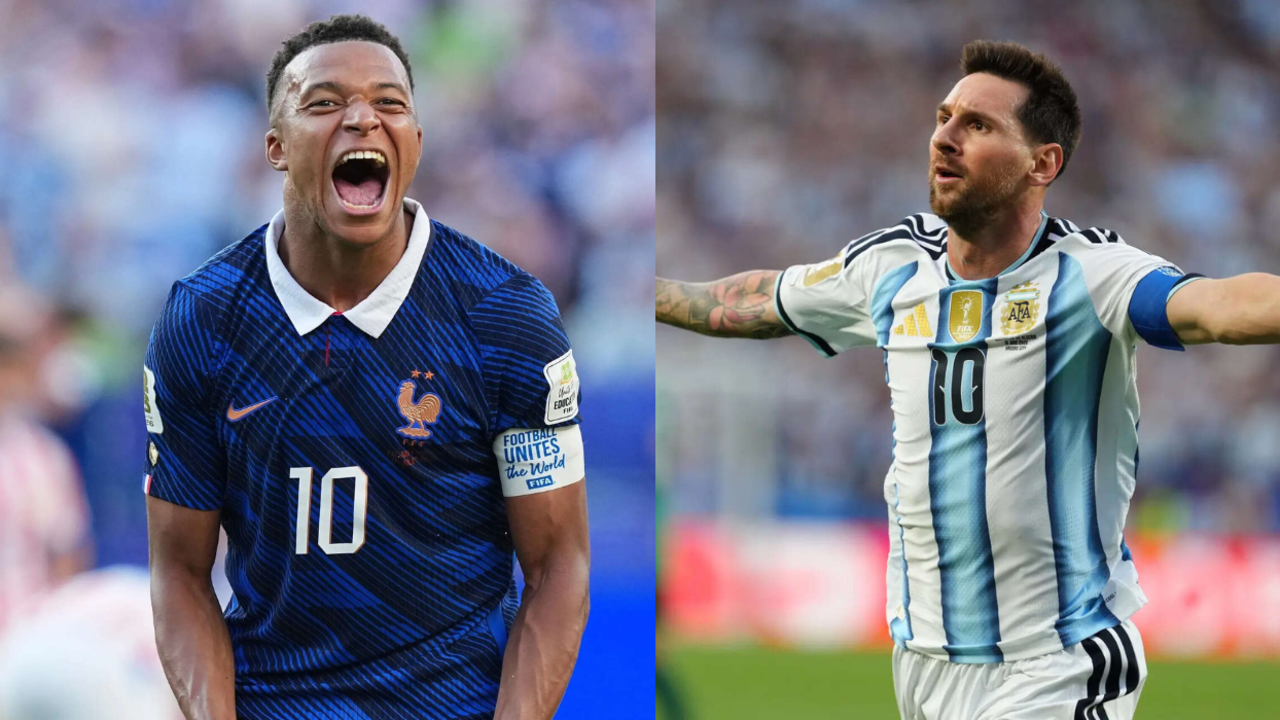
Müller Tiebreaker: How Four Players Tied for 2010 World Cup Golden Boot? The 2026 World Cup Golden Boot race is strikingly similar to one of the closest battles in tournament history. Lionel Messi leads Kylian Mbappé with eight goals and four assists, compared to Mbappé’s eight goals and three assists. FIFA’s first tiebreaker, assists, gives Messi the edge, but the race isn’t over since France faces England in the third-place playoff before Argentina meets Spain in the final.
In 2010, Thomas Müller, David Villa, Wesley Sneijder, and Diego Forlán all finished with five goals. Rather than declaring co-winners, FIFA applied its Müller Tiebreaker rules. Müller’s three assists secured the Golden Boot, while Villa, Sneijder, and Forlán each had one assist. Villa earned the Silver Boot for playing fewer minutes, Sneijder took Bronze, and Forlán finished fourth. This system ensures that every assist and minute counts.
The third-place playoff often influences the award. Just Fontaine scored four goals in the 1958 match to set a record, and Davor Šuker’s winner in 1998 secured the Golden Boot. Similarly, Mbappé could overtake Messi by scoring in France’s playoff. The 2026 standings show Messi with eight goals and four assists, while Mbappé has eight goals and three assists. Jude Bellingham and Harry Kane each have six goals, but the top battle remains tight between the two stars.
FIFA uses three criteria: most goals, most assists, and fewest minutes played. With both players level on goals, the Müller Tiebreaker could decide the winner, just as it did in 2010. If Messi and Mbappé finish tied, assists and minutes will separate them. This rule has shaped recent winners, from Müller in 2010 to Mbappé in 2022. The 2026 Golden Boot may come down to these same tiebreakers, mirroring history.