Sanju Samson selection debate settled by Dinesh Karthik
Sanju Samson Selection Debate Settled by Dinesh Karthik
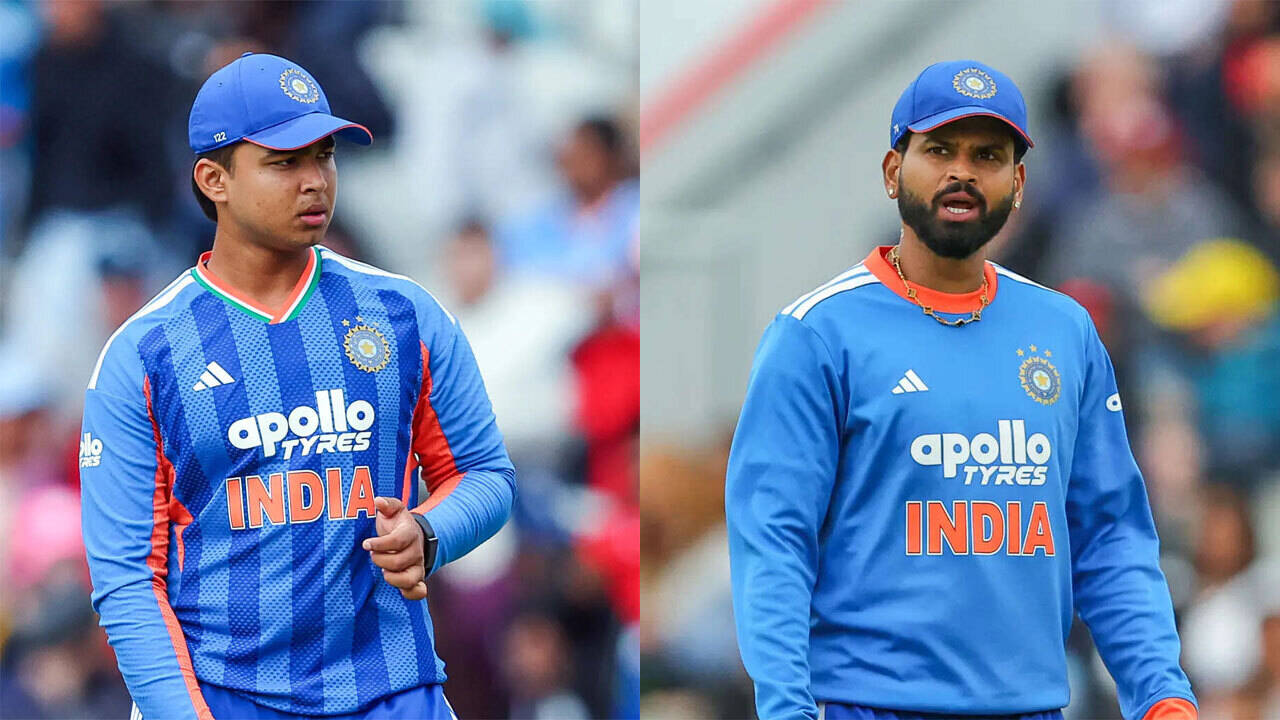
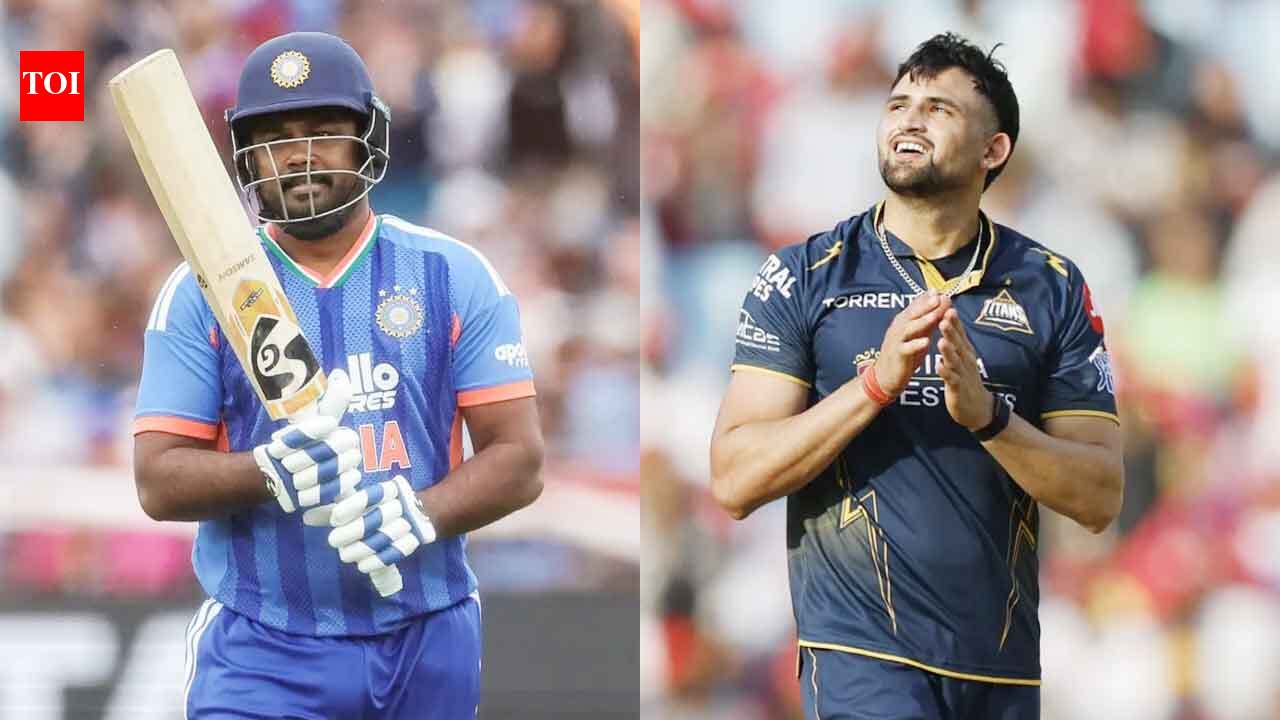
The ongoing Sanju Samson selection saga has taken a decisive turn. Former India wicketkeeper Dinesh Karthik has thrown his full support behind the beleaguered opener, urging the team management to resist mounting calls to drop him for teenage sensation Vaibhav Sooryavanshi. Despite a string of low scores that have reignited discussions around the Sanju Samson selection, Karthik insists that experience and past performance should outweigh temporary struggles.
The Growing Pressure on Sanju Samson
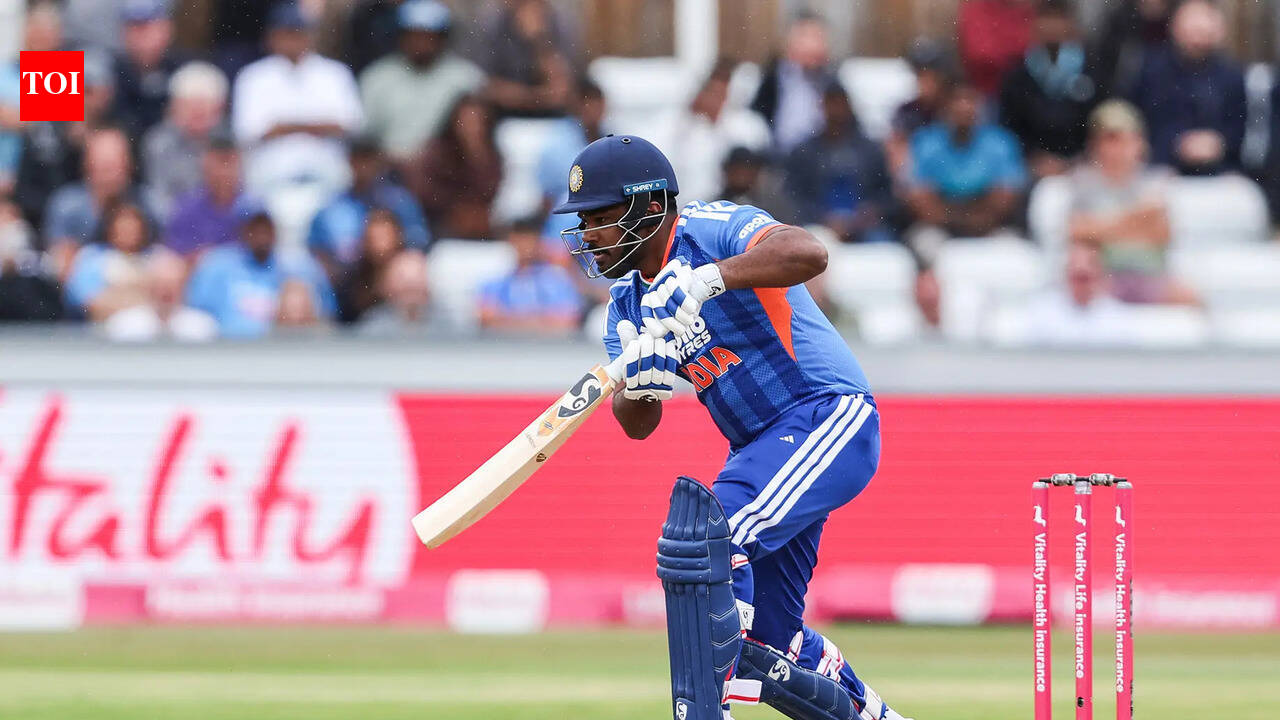
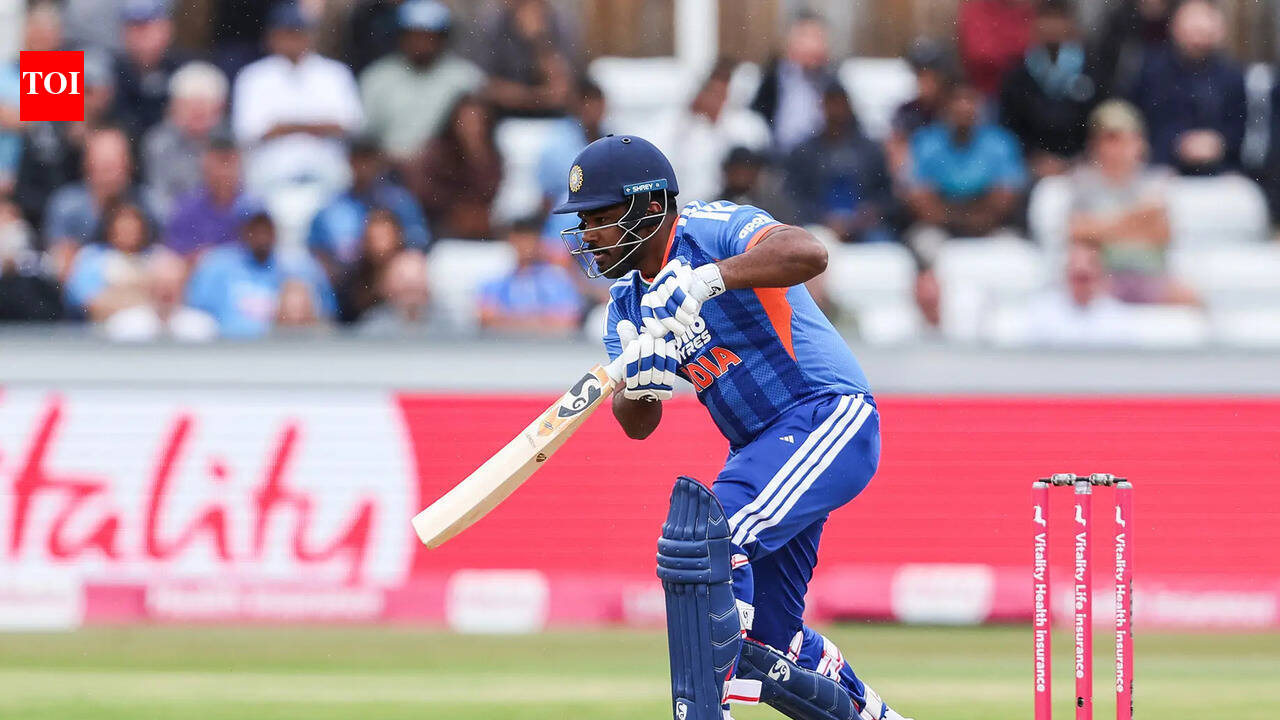
Samson’s troubles continued in the opening T20I against England at Chester-le-Street, where he fell cheaply after India opted to bat first. That dismissal marked his third consecutive low score, following a disappointing series against Ireland. As speculation around the Sanju Samson selection intensified, fans and pundits alike began clamoring for the explosive Vaibhav Sooryavanshi, who has been tearing up domestic circuits with his fearless batting.
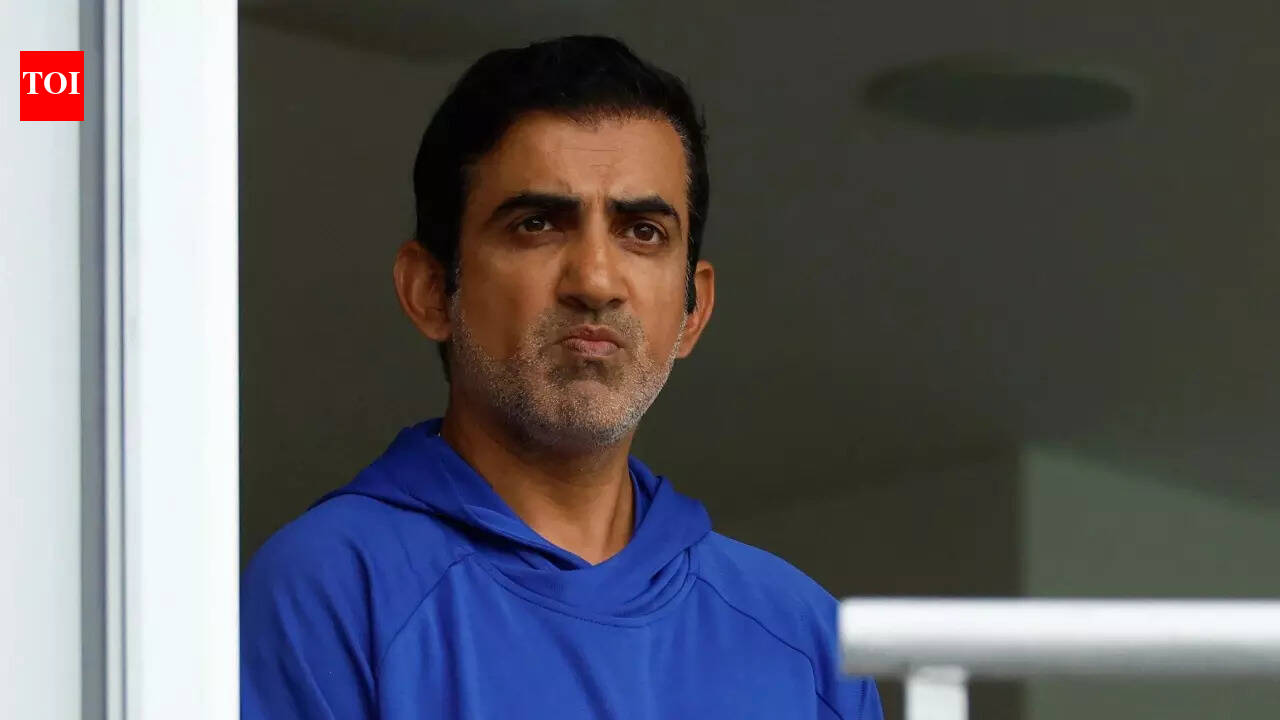
But Karthik, a veteran of 94 T20Is and one of India’s most astute cricketing minds, believes that talk of replacing Samson is premature. “Sanju Samson has, once again, had a bit of a failure. Three innings on the bounce means the calls are coming nice and loud for Vaibhav Sooryavanshi, but I still hope they back someone like Sanju Samson, because, under pressure, in the T20 World Cup, a few months ago, he got the job done, so we have to back him,” Karthik said during a segment on Cricbuzz.
His words carry significant weight, especially given that Samson’s heroics in the T20 World Cup—where he played crucial innings under intense pressure—remain fresh in memory. The Sanju Samson selection debate, therefore, becomes a classic case of loyalty versus potential: should India stick with a proven performer enduring a rough patch, or gamble on a raw talent who might shine?
Why Patience Matters in the Sanju Samson Selection
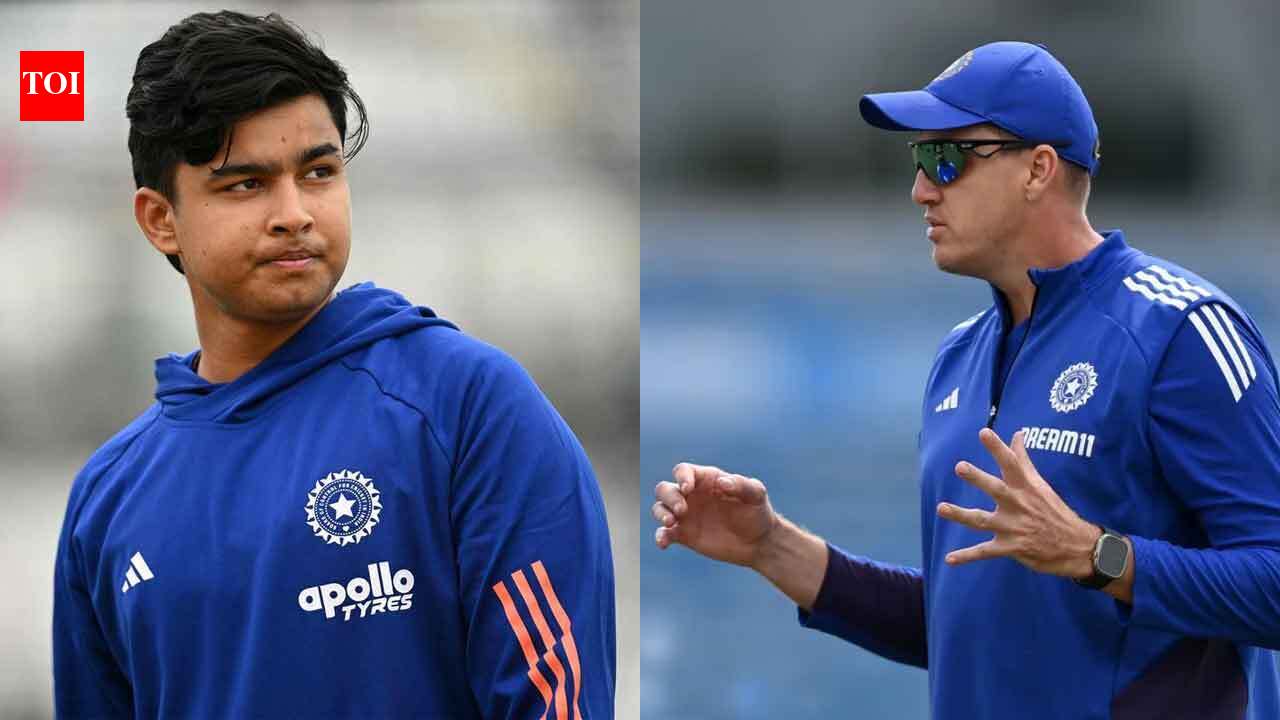
Karthik’s defense of Samson is rooted in a broader philosophy about player development and team building. He cautioned against rushing Sooryavanshi into the XI, emphasizing that even the most gifted youngsters need to earn their stripes. “Vaibhav needs to earn the right to play in this XI even though he is extremely talented, and I have no doubt he is going to do very well in international cricket,” Karthik added.
This perspective is vital in understanding the Sanju Samson selection dilemma. Dropping a senior player after a three-match slump could send the wrong message to the dressing room: that form is the only currency, and loyalty has no value. It also ignores the contextual factors—like tricky English conditions, swing bowling, and the psychological weight of playing for a World Cup-winning side—that can affect any batter. By backing Samson, the team would be investing in long-term confidence rather than short-term results.
Interestingly, India’s decision to bat first in the rain-threatened match at Chester-le-Street also came under scrutiny. Karthik suggested that the team’s recent 0-2 series defeat in Ireland influenced that call. “India, choosing to bat, was a good decision, even though, obviously, there was a bit of weather around the corner constantly… The general tendency is to chase down totals,” he explained. “It was a bit off and awkward evening here because rain was always looming around the corner, but I do think the Ireland hangover was there a bit. So, India decided, ‘let’s not chase and bat first’.”
The Sanju Samson selection issue is further complicated by the fact that the team’s decision to bat first initially backfired. India slumped to 6 for 2 inside the first two overs after Samson and Ishan Kishan were dismissed early. Yet, captain Shreyas Iyer and Abhishek Sharma pulled off a remarkable rescue act with contrasting half-centuries, guiding India to a competitive 189 for 7 before persistent rain washed out England’s chase. That recovery showed the depth in India’s batting lineup, but it also highlighted the fragility at the top—a gap that could be filled by a more consistent Samson.
The Larger Picture: Beyond One Series
Karthik’s comments on the Sanju Samson selection also touch upon Iyer’s leadership. The skipper, who managed just 13 runs in two matches during the Ireland series, responded with a composed 68 off 47 balls. “He wanted to get rid of the pressure, so he batted nicely,” Karthik observed. “He must have been under pressure, because as a leader, you need to walk the talk with the bat first, and he knew that. The skipper needed to put his hand up and say, ‘I am the skipper, I will get the runs’, and he did it quite nicely.”
Iyer’s performance underscores a vital point: players often bounce back from lean patches if given consistent backing. The same logic applies to Samson. With the second T20I at Old Trafford looming, the pressure on the opener is only increasing, but Karthik believes the team management should resist the temptation to make a hasty change. Instead, they should trust that Samson’s talent and experience will eventually shine through.
In the end, the Sanju Samson selection debate is not just about one player’s form—it is about how India builds a team for the future. By backing Samson now, the selectors would be sending a clear message that performance over a career matters more than short-term dips. And if Samson repays that faith, as he did in the T20 World Cup, the decision will only strengthen the team’s core.
As Karthik so aptly put it, “We have to back him.” In a sport where confidence is currency, that backing might be the very thing that turns Samson’s season around. The Sanju Samson selection saga, for now, seems settled: experience wins out, and rightly so.