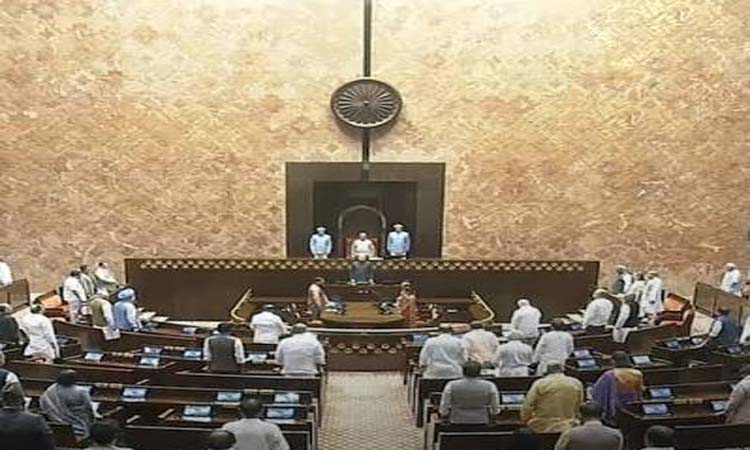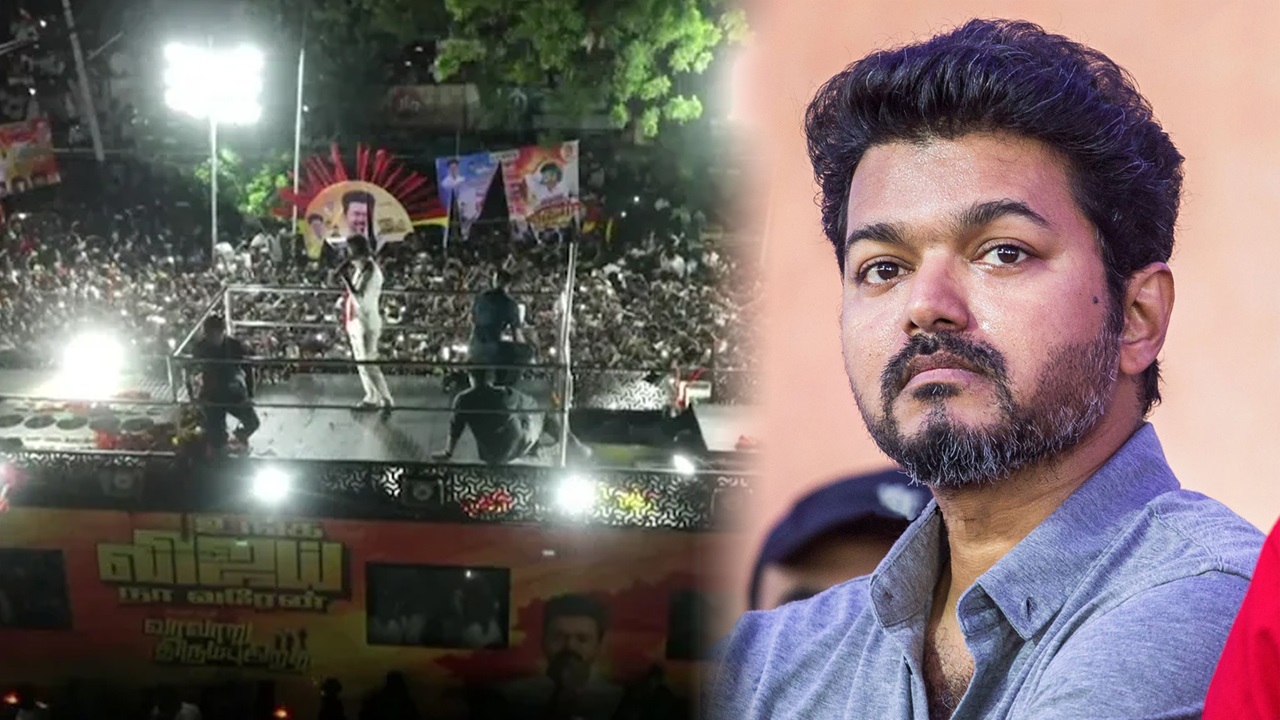
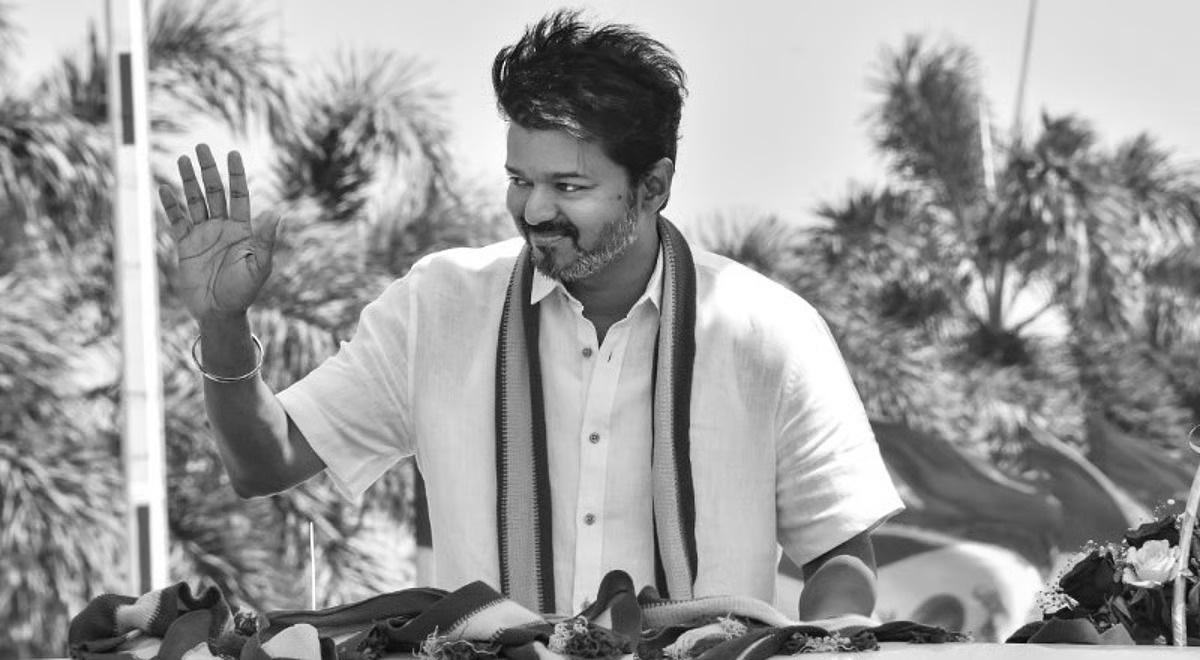
TVK alliance differences: Internal discontent emerges after a recent oath-taking ceremony by Tamilaga Vettri Kazhagam leader Vijay exposed ideological rifts within his coalition. The playing of Vande Mataram at the event sparked strong objections from key ally Viduthalai Chiruthaigal Katchi, whose leader Thol. Thirumavalavan argued the song contradicts the alliance’s secular values. He also questioned TVK’s focus on state debt, suggesting it may be a tactic to instill fear. These TVK alliance differences signal growing mistrust between partners.
The Communist Party of India echoed VCK’s concerns, speculating that the song choice aimed to appease the Governor rather than uphold regional autonomy. This wariness reflects broader skepticism among left-leaning allies about TVK’s commitment to shared ideologies. The Communist Party of India (Marxist) and the Indian Union Muslim League have also expressed muted unease. As TVK alliance differences dominate political discourse, coalition cohesion appears fragile.
Such tensions threaten the delicate ideological balance vital for coalition politics in Tamil Nadu. TVK relies on support from parties like VCK, CPI, and IUML, which provided crucial votes and grassroots strength. If these TVK alliance differences persist, they could erode public confidence and weaken legislative effectiveness. However, transparent dialogue and compromise might restore unity and demonstrate resilient leadership.
TVK has yet to clarify its stance on the controversy, leaving speculation to grow. How the party addresses TVK alliance differences will shape its future and the state’s political landscape. The coming weeks are critical; resolving these rifts through mutual respect and ideological consistency is essential for the coalition’s survival.